


By Daisy, founder of Leopard Paw Safaris and a former safari guide.
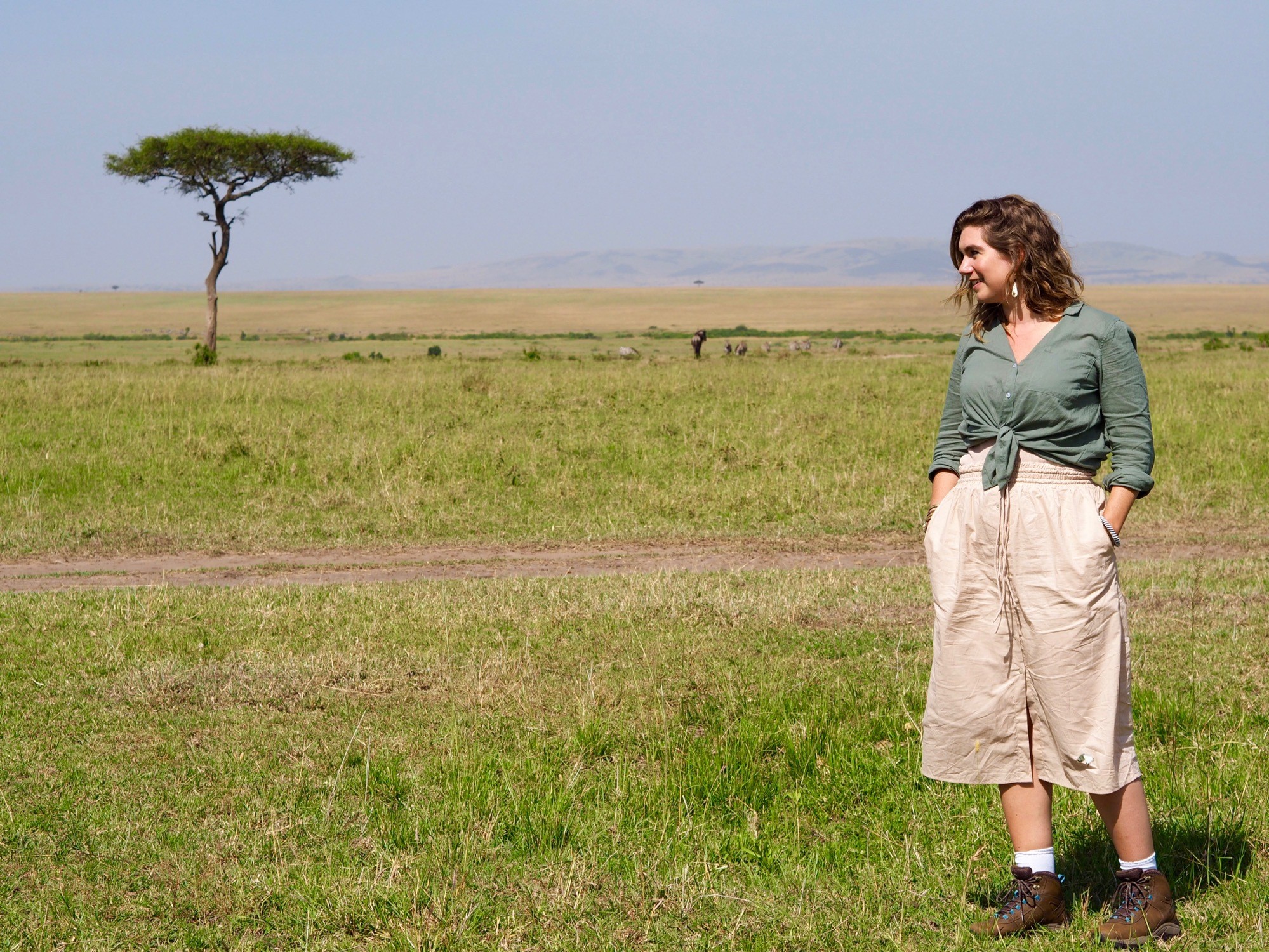
If you’re wondering what to wear on safari in Kenya, the short answer is clothes you already own, plus a warm layer you probably didn’t think you’d need. People spend a lot on matching khaki outfits and then shiver through the first morning drive, because nobody told them it gets cold.
I’ll go through what matters, what’s been blown out of proportion, and what to leave at home. There’s a packing list near the end if that’s all you came for.
What to wear on safari in Kenya: start with the weather
The Mara and Laikipia sit at around 1,500 metres or higher. A game drive can leave camp at 6am when it’s single digits and be 30°C by mid-morning, so you want layers you can take off as the day heats up. A breathable long-sleeved shirt, a fleece, and a windproof jacket for the open vehicle will cover it. By 9am you’ll probably be down to the shirt, and that’s when the wide-brimmed hat and sunglasses come out.
Keep the long sleeves on even when it’s hot. They protect your arms better than sunscreen, which nobody reapplies in a vehicle bouncing across the plains, and the sun is strong even under cloud. Then there’s the dust. Whatever you wear will turn the colour of the road, so don’t bring anything you’d be upset to see dirty.
Safari clothing colours: what matters and what doesn’t
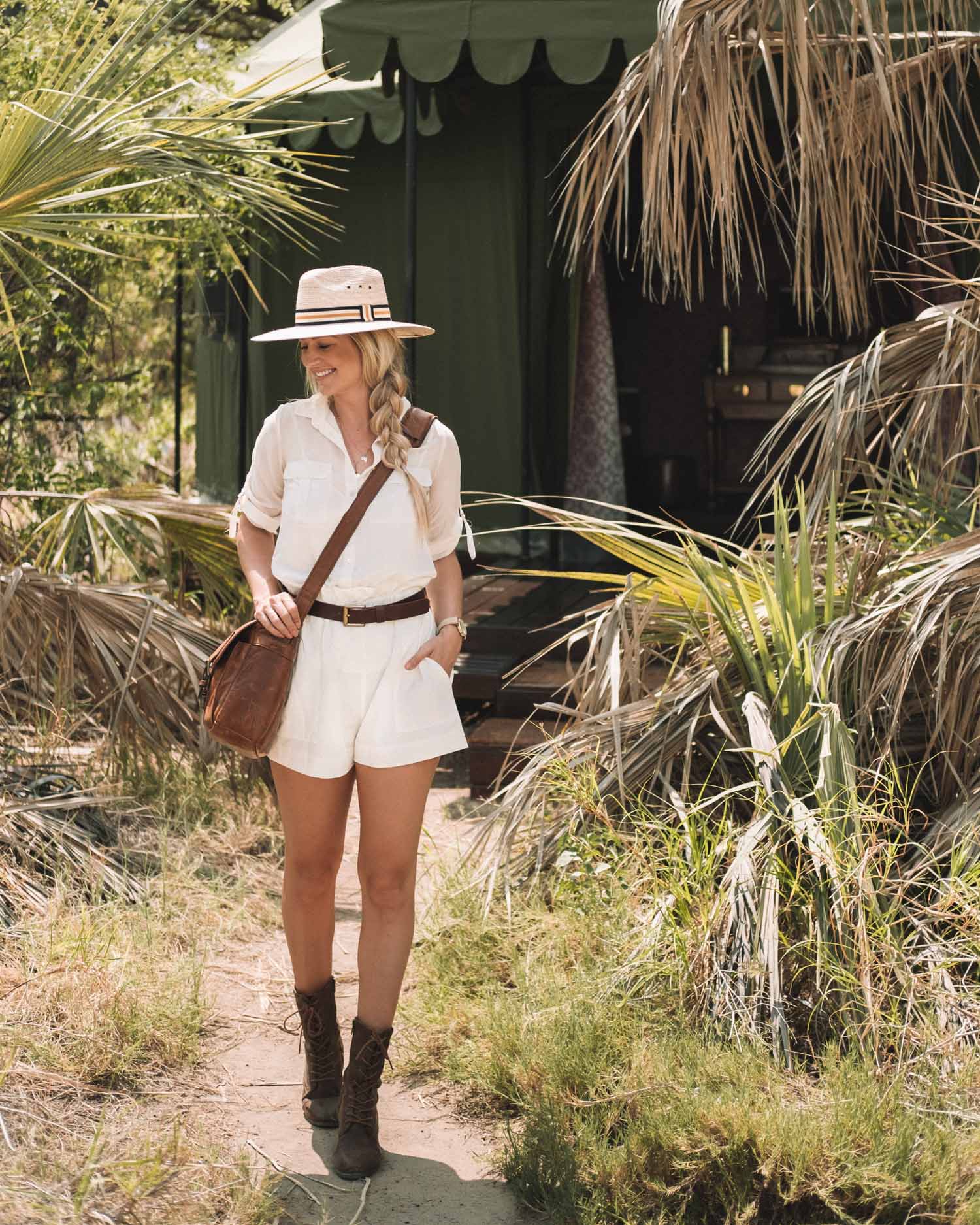
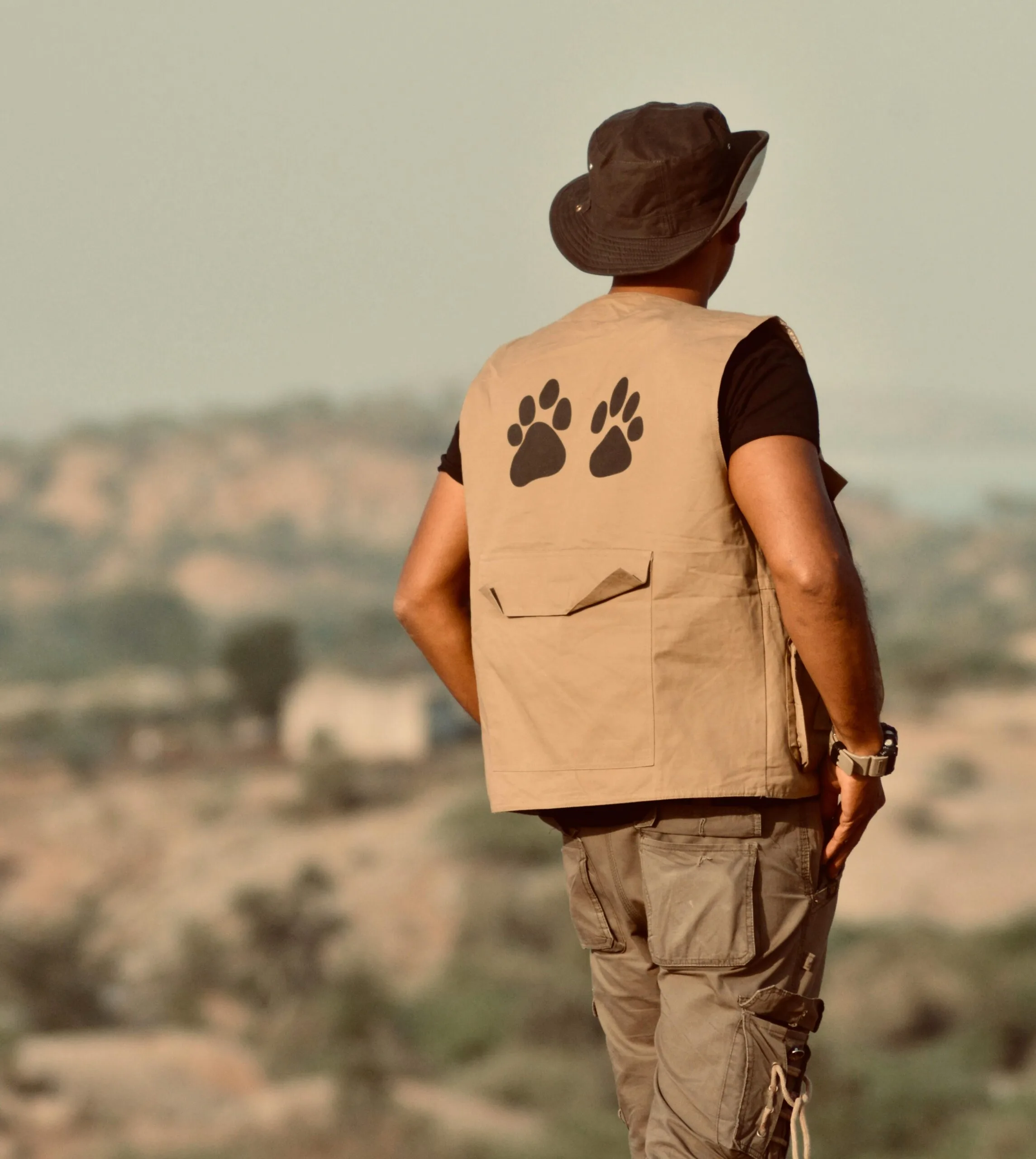
Colour gets far more attention online than it deserves. I wear neutrals like khaki, olive, tan, brown and grey because they hide dust and help me blend in. But in a vehicle the animals mostly ignore what you’ve got on, since they read the vehicle as one big familiar shape. Colour matters more on foot, and even then you don’t need a head-to-toe safari outfit for game drives.

The one colour rule with a real reason behind it is black and dark blue. Tsetse flies go for them, and the bite really hurts. It’s a problem in tsetse country, which means parts of Tsavo and some woodland and riverside areas, mostly on walks or in open vehicles. In an enclosed vehicle, or where there are few tsetse, it matters a lot less, and plenty of people wear dark colours with no trouble. I’d avoid them for anything you wear outside the vehicle and not worry otherwise.

Bright colours are fine on a game drive. On a walking safari I’d tone them down, because muted colours help you stay low-key around nervous animals, and the person in fluorescent orange always ends up in everyone’s photos. White doesn’t spook anything either. It just goes dust-brown by the end of the first day, so wear it if you don’t mind.

Don’t pack camouflage. This isn’t about style. Civilians aren’t allowed to wear military-style camouflage in Kenya, or in some of the neighbouring countries, because it’s linked to the armed forces, and it can get you into real trouble.

What to wear on safari depending on what you’re doing
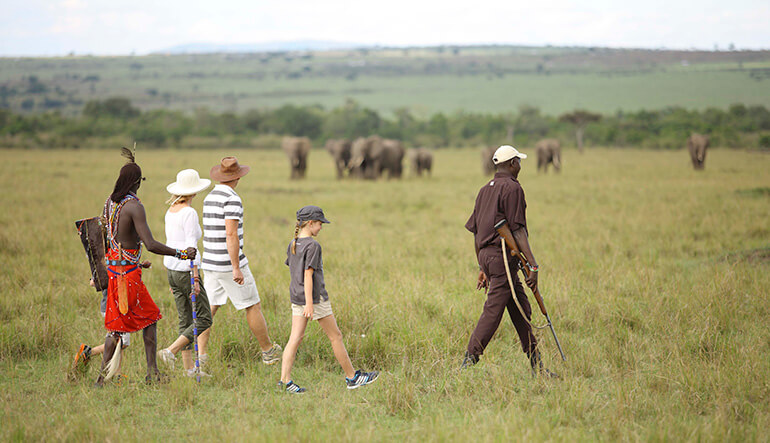
For game drives, it’s the layering I described above. If you’re walking, the muted, covered-up advice finally earns its keep. Long breathable trousers and long sleeves protect you from thorns, sun and insects, and you’ll want proper closed shoes. If your camp offers a walk and you fancy it, pack for it.

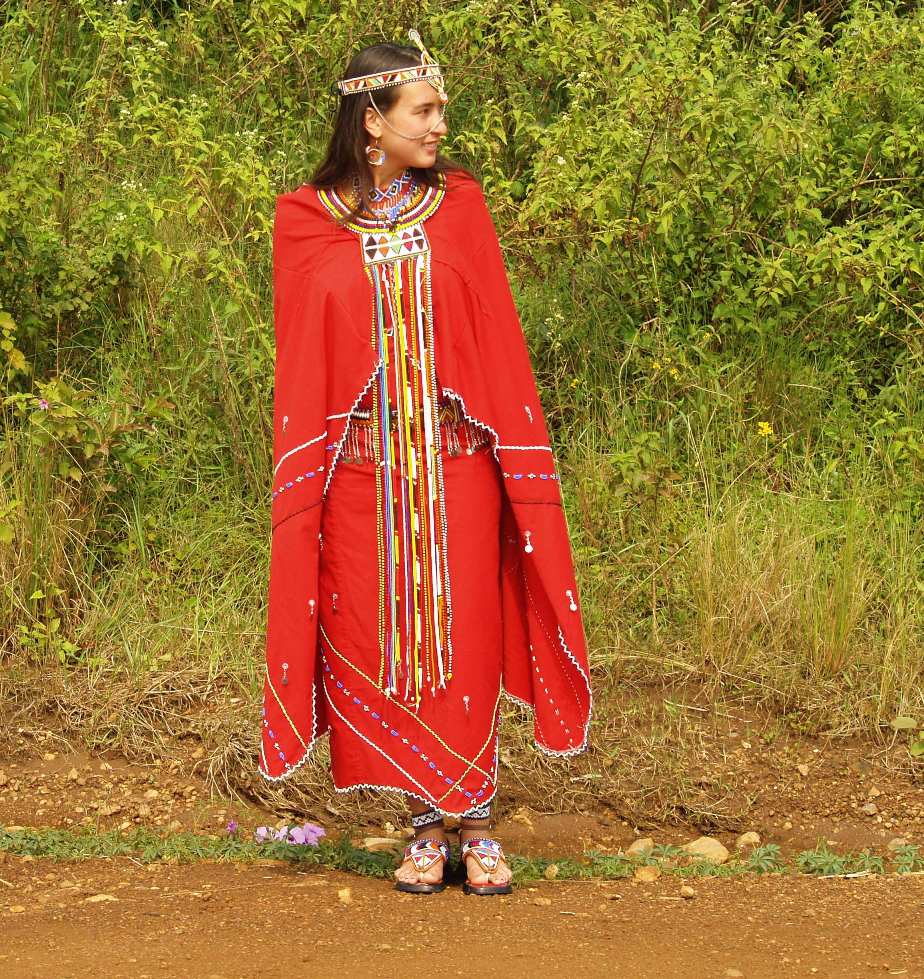
If you visit a Maasai or Samburu community, dress respectfully. Covered shoulders and knees are appreciated, so a loose shirt with light trousers works, and so does a longer dress. A scarf makes an easy cover-up.
Evenings at the lodge are casual almost everywhere, so you don’t need formal wear. The top-end camps lean smart-casual at dinner, so bring one nicer piece, and something warm, because it gets cold once the sun goes. A scarf or wrap does a lot of work.

What to wear on safari by region and season
The Mara and Laikipia are where you pack your warm layers. The dawns are properly cold, coldest from June to August, which surprises people who assume Africa is hot all year. (More on where to base yourself in our guide to the best safari lodges in Kenya.)
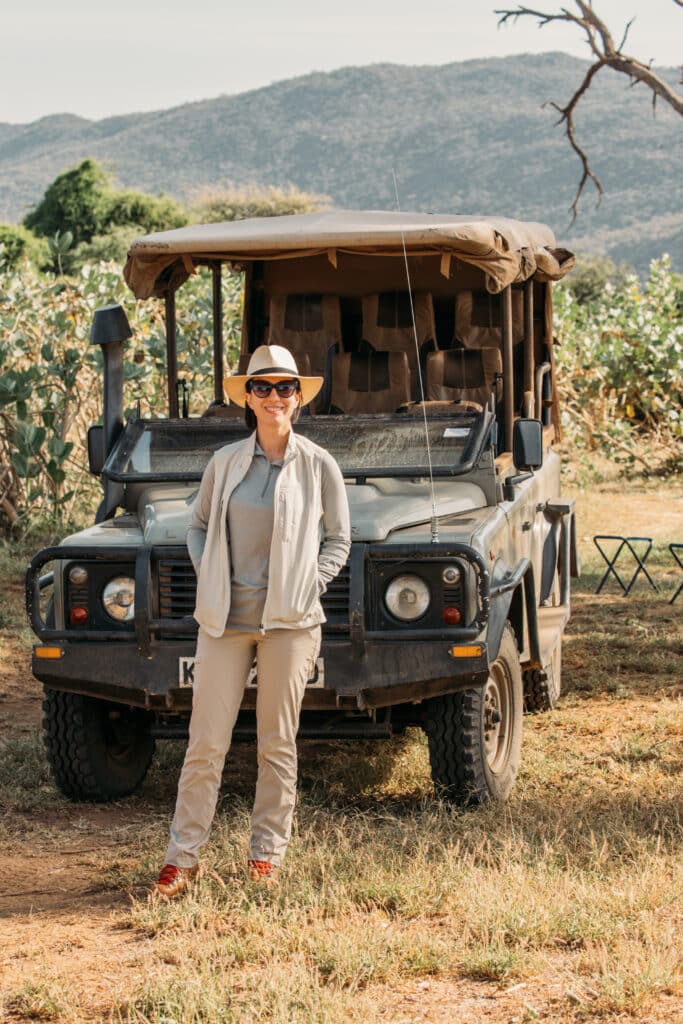
Samburu, Tsavo and Meru are lower, hotter and dustier, so lightweight long sleeves and trousers keep the sun and dust off without cooking you. Some of the woodland there has tsetse flies, which is where the dark-colour advice applies. Amboseli is mostly about dust from the dry lakebed. A buff or scarf you can pull over your nose on a windy drive is worth its weight, and it protects your hair and skin from the sun, with Kilimanjaro behind you. Amboseli is elephant country as well, so see the Big Five in Kenya.
If you’re finishing on the coast, at Diani or Lamu, you’re in a different climate. It’s tropical and humid, so pack swimwear, light beachwear and sandals, in a separate packing cube so the dusty bush clothes don’t take over the bag.
As for seasons, June to October and January to March are the dry months and the dustiest. In the green season, November to December and April to May, a light packable rain jacket goes in. Across the high country, dawns are coldest in the middle of the year.
Safari shoes and the 15kg luggage limit
You don’t need expensive hiking boots unless you’re walking. For game drives, comfortable closed shoes are fine, and trainers work. They keep dust and the odd thorn off your feet and help with the scramble in and out of a high vehicle. For walking safaris, step up to sturdy closed shoes or light hiking shoes that cover the ankle, and bring sandals or flip-flops for camp and the pool. Every guide knows this trick: wear your heaviest shoes on the bush flight so they don’t count against your weight.

That weight matters. If you’re flying between camps in a light aircraft, and on most good trips you will, you’re usually capped at about 15kg in total, hand luggage included, and they do weigh it. Use a soft-sided bag, because hard cases often won’t fit the hold and get refused.
What to leave at home
You need less than you think, because the camps cover a lot. Almost every lodge does laundry, usually same-day, so three of most things is plenty. Pack a few extra underthings, though, as many camps leave those to guests. Most vehicles carry a shared pair of binoculars. If you’re a keen wildlife watcher, bring your own good pair, but if you’re tight on weight, lean on the vehicle’s. Skip the heavy tripod, the formal clothes and the extra pairs of shoes. Don’t bring single-use plastic bags either. Kenya has banned them and enforces the ban, so use fabric pouches or packing cubes.
Safari packing list
Clothing
- 2 to 3 long-sleeved shirts (breathable, neutral)
- 2 to 3 lightweight trousers (breathable, quick-dry)
- 1 to 2 short-sleeved tops or t-shirts
- 1 pair of shorts (optional, for hot afternoons)
- 1 warm fleece or mid-layer
- 1 windproof or light rain jacket (essential in the green season)
- 1 slightly smarter piece for dinner (optional)
- Swimwear (many camps have pools)
- Sleepwear warm enough for cold nights
- Underwear and socks, with a few extra of each
Feet, head and sun
- Closed shoes for drives (trainers are fine)
- Sturdier closed shoes if you’ll walk
- Sandals or flip-flops for camp
- Wide-brimmed hat with a chin cord
- Sunglasses
- High-SPF sunscreen and lip balm
Extras
- Scarf or buff for sun, dust and warmth
- Small daypack for drives
- Refillable water bottle (some camps provide one)
- Insect repellent
- Headtorch, because tent lighting is dim at night
- Camera, spare cards, chargers and a UK-style plug adapter
Frequently asked questions
Do I need special safari clothes for Kenya? No. Comfortable, breathable clothes you already own will do.
Does clothing colour really matter on safari? A little, depending on where you are. Neutrals hide dust. Black and dark blue can attract tsetse flies in some areas and on foot. Bright colours are fine in a vehicle. Skip camouflage completely, because civilians can’t wear it in Kenya.
Is it cold on safari in Kenya? Often, yes. Early drives in the high Mara and Laikipia can be properly cold, especially from June to August, before it warms up fast.
Sunscreen or covering up? Both. Rely on clothing for your arms and legs, and save the sunscreen for your face, neck and hands.
Do safari camps do laundry? Most do, usually same-day, which is why you can pack so little. Underwear is the usual exception, so bring a few extra.
How many outfits do I need? About three of most items covers a week with daily laundry, and keeps you well under 15kg.
Plan the trip, then pack for it
Once you know your region, the season and the kind of vehicle you’ll be in, what to wear on safari in Kenya mostly sorts itself out. That’s the part we plan with guests at Leopard Paw Safaris, right down to whether you need the extra fleece. If you’d like help planning yours, get in touch with us. When you’re ready to think about where to stay and what you’ll see, our guides to the best safari lodges in Kenya and the Big Five in Kenya are good next reads.
Daisy is a former safari guide and the founder of Leopard Paw Safaris. You can reach her at info@leopardpawsafaris.co.ke or on +254 715 138325.
Comments