
Walking Safari in Kenya: What It Is and Where to Do It
By Daisy, founder of Leopard Paw Safaris and a former safari guide.

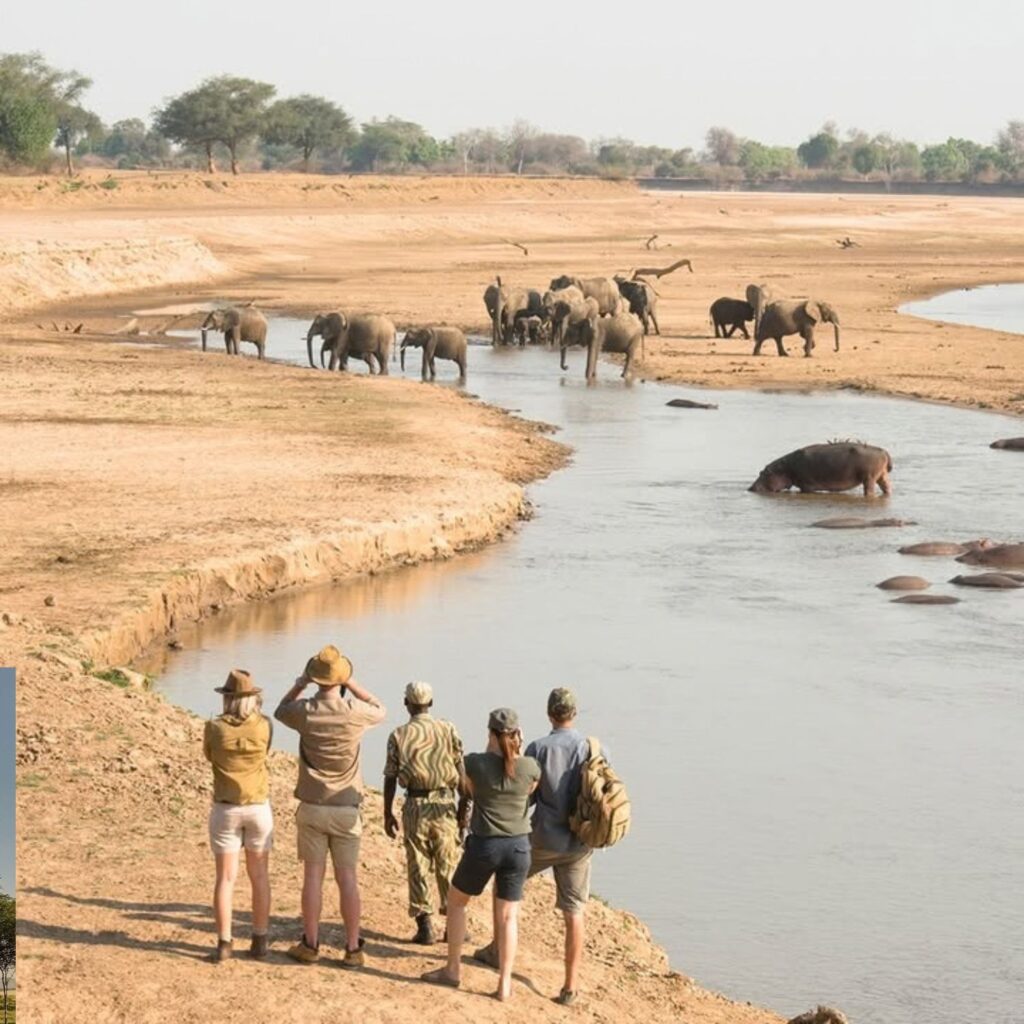
A walking safari in Kenya is the most immersive thing you can do in the bush. You step out of the vehicle, and instead of watching the wilderness go by, you read the ground, catch the scents and feel how small you are on the plains. Two things decide whether it’s right for you. You can only do it in certain places, and it isn’t the game drive on foot that most people picture. Here’s what it really is, where to do it, and who it suits.
Where you can and can’t do a walking safari

This catches people out. Walking is prohibited in most of Kenya’s national parks and reserves, including the Masai Mara National Reserve, on both the Narok and Mara Triangle sides. For general visitors those are vehicle-only.
Where you can walk:
- Private conservancies and private ranches in Laikipia, the Mara conservancies, Samburu and the Chyulus. Guiding standards are high here, and being on foot is simply part of what the land offers.
- Short nature walks from some camps. Even near the reserve, many lodges offer a short guided walk, often an hour long, in their immediate area.
- Two easy exceptions with no dangerous game. Hell’s Gate National Park is the one Kenyan park where you can walk and cycle freely, because there are no big predators, and it has dramatic gorges to hike. Crescent Island on Lake Naivasha lets you stroll among zebra and giraffe with no predators around. Both are lovely tasters, and good for families or nervous walkers.
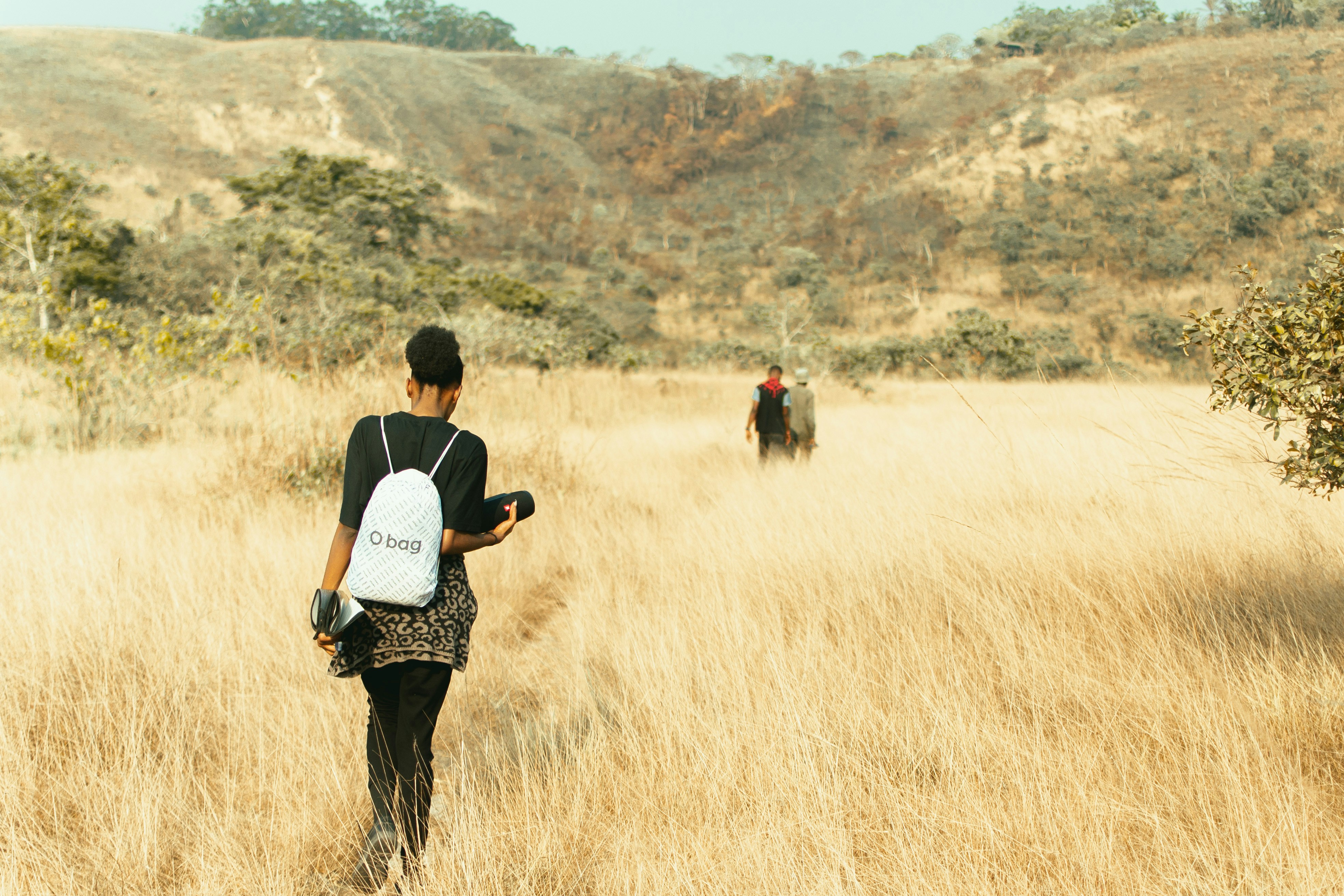
So if a walking safari is on your list, you’re looking at a conservancy. (Our best safari lodges in Kenya guide flags which camps sit in conservancies.)
It’s not a game drive on foot
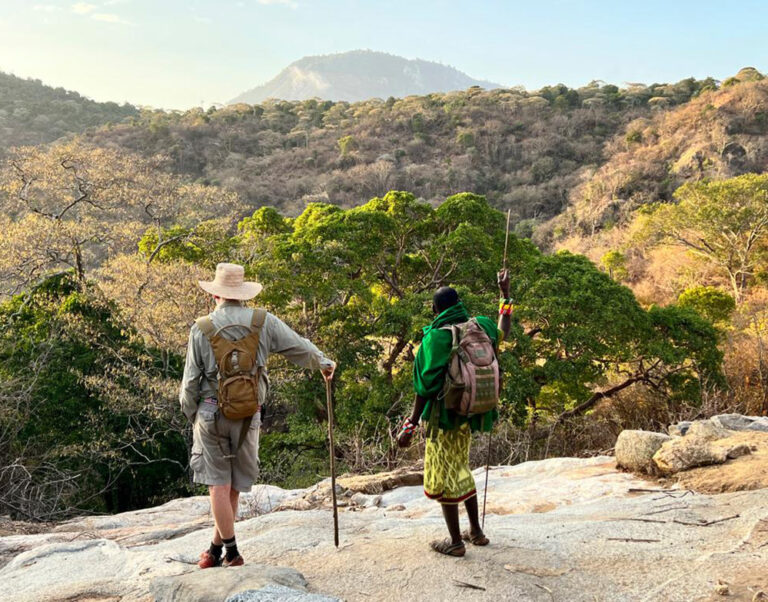
This is the bit that saves people from disappointment. A walking safari isn’t about ticking off the Big Five, and you’ll usually see less big game on foot than from a vehicle. That’s the whole point. On foot, your attention moves from the big animals to the small, detailed world you skim past in a car. You notice tracks and spoor, plants and their traditional uses, insects and birds, the smell of crushed wild herbs, and the story your guide reads in the ground about what happened overnight. You stop being a spectator and join in.
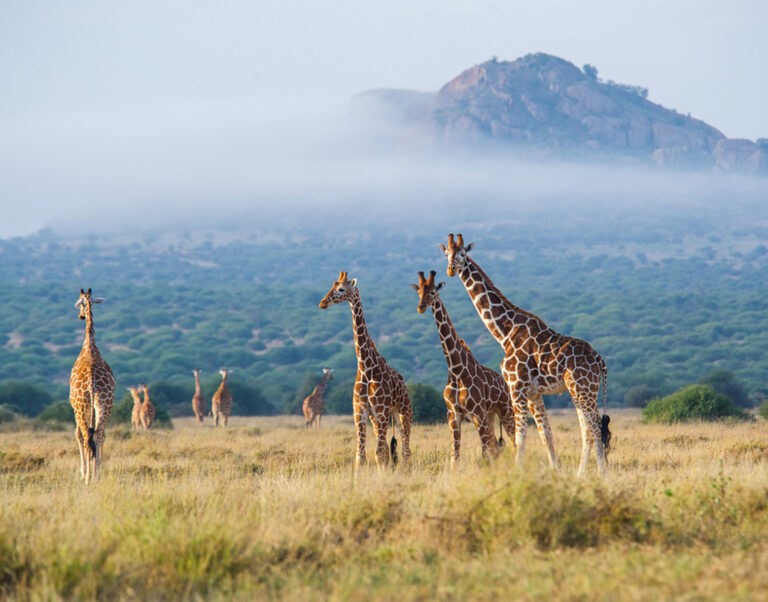
There’s some adrenaline in it too. With an armed guide you may carefully approach larger game on foot, and being that close on your own two feet is unforgettable. But come for the immersion and the detail, not the big-cat close-ups. For those, a vehicle is better and safer. (For the big game itself, see the Big Five in Kenya.)
Two kinds of walking safari
There are really two, and they suit different travellers.
The short bush walk lasts an hour or two from your camp. It needs no advance planning or special fitness, and it fits easily into any safari alongside your game drives. It’s how most people try walking, and it’s a good taste of it.

The multi-day walking safari has you on foot for most of the day, moving between simple mobile fly-camps, with a real sense of expedition. It takes genuine fitness and commitment, and for the right person it’s the most immersive safari there is.
Walking safari safety and who can do it

You always walk with an armed professional guide, and often a Kenya Wildlife Service ranger as well. There’s a full safety briefing before you set off. You walk in single file and quietly, and you follow the guide’s word absolutely. That’s what keeps a walk among wild animals safe, and it genuinely does.
You need reasonable fitness. There are no real paths, and the ground can be rocky or hilly. Walks usually start at first light, before the heat builds. There’s often a minimum age, commonly between 12 and 16. A short bush walk suits almost anyone in decent health, while the multi-day version asks for real fitness. Wear proper closed shoes and a hat, put on sunscreen and carry water. (See what to wear on safari in Kenya.)
Where to go for a walking safari in Kenya

Laikipia is the walking heartland. Ol Pejeta is the place to track rhino on foot, and camps like Loisaba, Borana and Mugie are built around getting you out into the bush. The Mara conservancies offer bush walks led by Maasai guides who read the plains like a book. Samburu has walks along the Ewaso Nyiro River through dramatic northern country, and the Chyulu Hills add volcanic scenery and a real sense of wilderness. For an easy introduction with no dangerous game, it’s hard to beat Hell’s Gate, where you hike or cycle the gorges, and Crescent Island, where you stroll among the herbivores. Both suit a first taste or a family trip. (Where to base yourself is in our lodges guide.)
Who it’s for, and how to fit it in

A walking safari is for anyone who wants to go deeper than a vehicle allows, and to slow down and feel the bush. First-timers can slot a short bush walk into almost any trip. The fit and adventurous can commit to the multi-day version. It won’t replace game drives, so for most people the sweet spot is both: drives for the big game and a walk for the detail. (New to all this? Start with our Kenya safari tips for first-timers.)
Frequently asked questions
Can you do a walking safari in the Masai Mara? Not inside the national reserve. You can in the surrounding private conservancies, and some camps offer short nature walks in their immediate area.
Where can you do walking safaris in Kenya? Mainly in the private conservancies and ranches of Laikipia, the Mara, Samburu and the Chyulus. Hell’s Gate and Crescent Island let you walk with no dangerous game.
Is a walking safari safe? Yes, when it’s done properly. You’re always with an armed guide, often a KWS ranger too, after a full safety briefing, and you walk single file and follow the guide.
Do you see the Big Five on a walking safari? You may, but you’ll generally see less big game on foot than from a vehicle. The point is the smaller details.
Is a walking safari just a game drive on foot? No. It’s a more sensory experience built around tracks, plants, birds and the ecosystem, not close big-game viewing.
How fit do you need to be? Reasonable fitness for a short bush walk. For a multi-day walking safari you need genuine fitness, because you’re on foot most of the day over rough ground.
Is there a minimum age? Often yes, commonly around 12 to 16, for safety.
What’s the difference between a short bush walk and a multi-day walking safari? A short walk is an hour or two from camp and needs no special fitness. A multi-day safari is on foot most of the day, moving between fly-camps.
Planning a walking safari in Kenya

A walking safari is the bush at its most intimate, but only in a place where you’re allowed to do it, with a guide who does it well, and ideally alongside your game drives rather than instead of them. We plan that at Leopard Paw Safaris: a conservancy base where you can step out of the vehicle safely, built into a trip that still delivers the big game. If you’d like help planning yours, get in touch. For where to stay, start with our best safari lodges in Kenya.
Daisy is a former safari guide and the founder of Leopard Paw Safaris.
Comment