Baby Animals Safari in Kenya: When and Where to Go
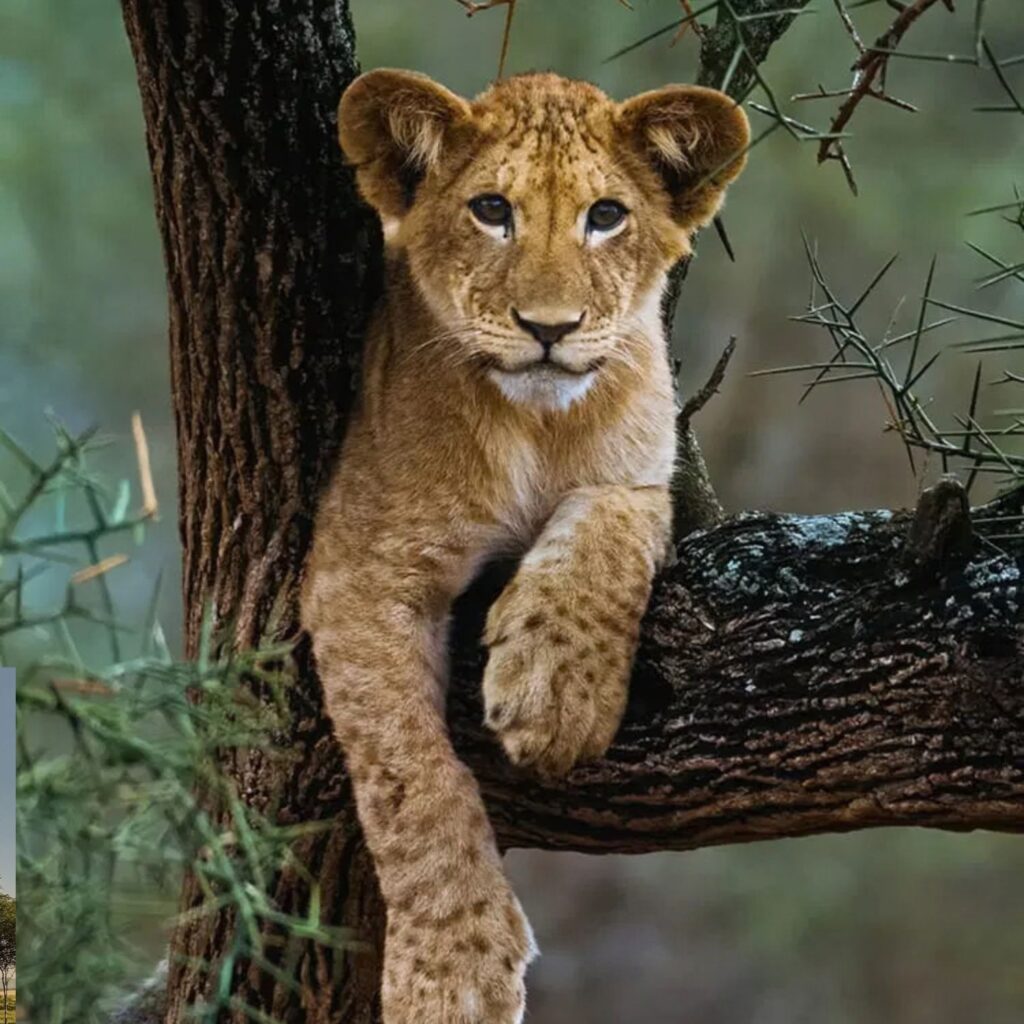
The short answer: go between January and March. Several operators call this Kenya’s baby season, with newborn animals and more predator activity.
Best months for baby animals

- January to March: the peak window. Sources agree that this is the ideal time for newborns, along with fewer crowds and some good-value rates in the shoulder months.
- April and May: the long rains bring lush scenery and low-season rates, but some camps close. May is described as good for newborns and birdlife at the best value of the year.
- July to October: the dry season and the Great Migration. It’s the busiest time, so not the best choice if baby animals are your priority.
Correct one common mix-up
The famous wildebeest calving happens in the Serengeti, not Kenya. The best calving camps there are in the Ndutu area, south of the Serengeti. In Kenya, you’re looking at resident wildlife having young during the green months: elephants, zebras, giraffes, antelope, and predators like lions and cheetahs.
Where to go

- Maasai Mara and its conservancies: the best all-round choice for newborn herbivores and big cat cubs, with the highest predator density. Conservancies offer fewer vehicles and a calmer experience.
- Amboseli: known for elephant herds, so calves are common sightings.
- Samburu and Laikipia: quieter, with drier landscapes and good chances of seeing young animals away from the crowds.
Set expectations honestly
- Predators are part of the package. More newborns means more hunting. One calving-season guide for the Serengeti warns that visitors uncomfortable with kills may not enjoy that period. The same logic applies in Kenya.
- Sightings aren’t guaranteed. Births follow the rains, so timing shifts from year to year.
- Rain is likely in March. The first rains arrive then. Pack for mud and ask whether your camp is open.
How to watch respectfully
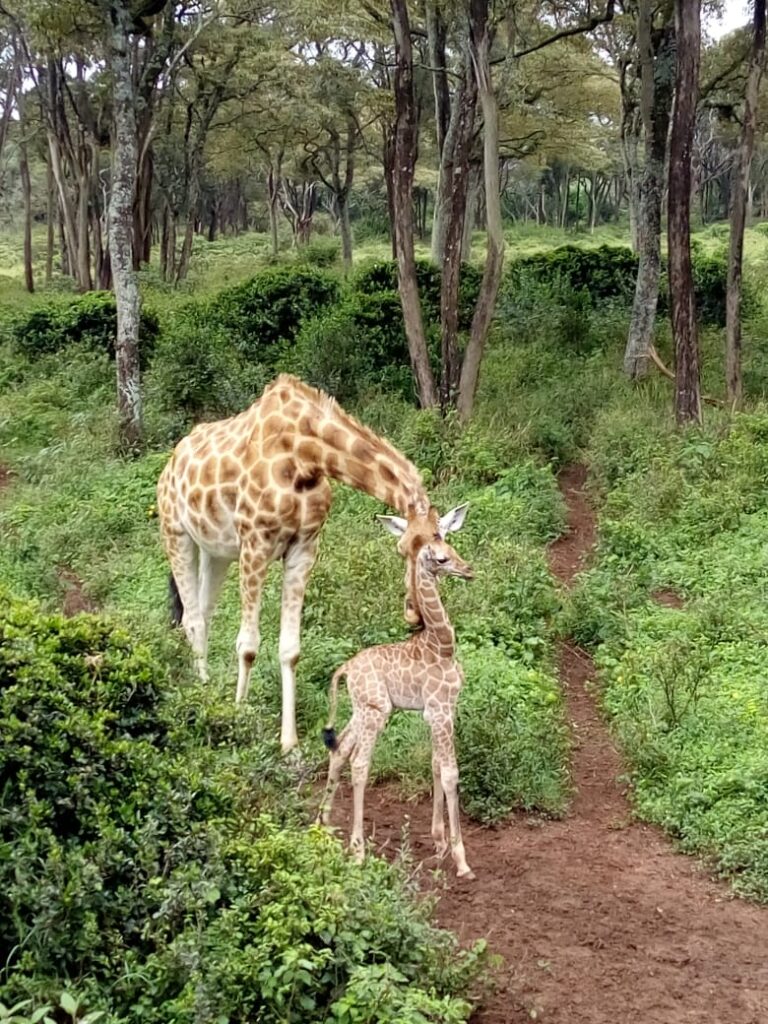
- Stay in the vehicle and keep your voice down.
- Don’t push your guide to move close to dens or newborns.
- Choose a guide who reads animal behavior and backs off when mothers are stressed.
- Keep drones and flash photography off.
Quick planning tips

- Book January to early March early. Camps fill, and it’s your best baby-animal window.
- Spend at least 3 nights in the Mara to improve your odds.
- Ask your operator which areas have had recent births.
Related reading
- Best time to visit Maasai Mara: month-by-month timing.
- Maasai Mara vs Amboseli: pick your park.
- Cheetah safari in Kenya: where to see cheetahs and their cubs.
- Kenya safari with kids: planning for families.
Timing varies with the rains. Confirm current conditions with your operator before you boo
Conclusion
For the best chance of seeing newborn animals in Kenya, travel between January and March and base yourself in the Maasai Mara or a conservancy. Book early, allow three nights or more, and set realistic expectations about predators and rain.”