
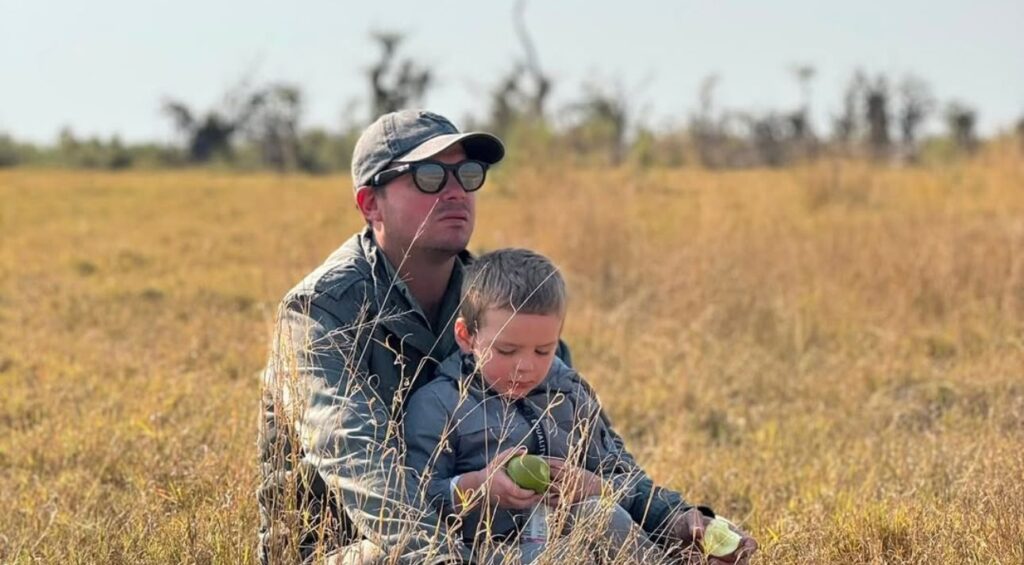

Kenya Safari With Kids: How to Get It Right
By Daisy, founder of Leopard Paw Safaris and a former safari guide.
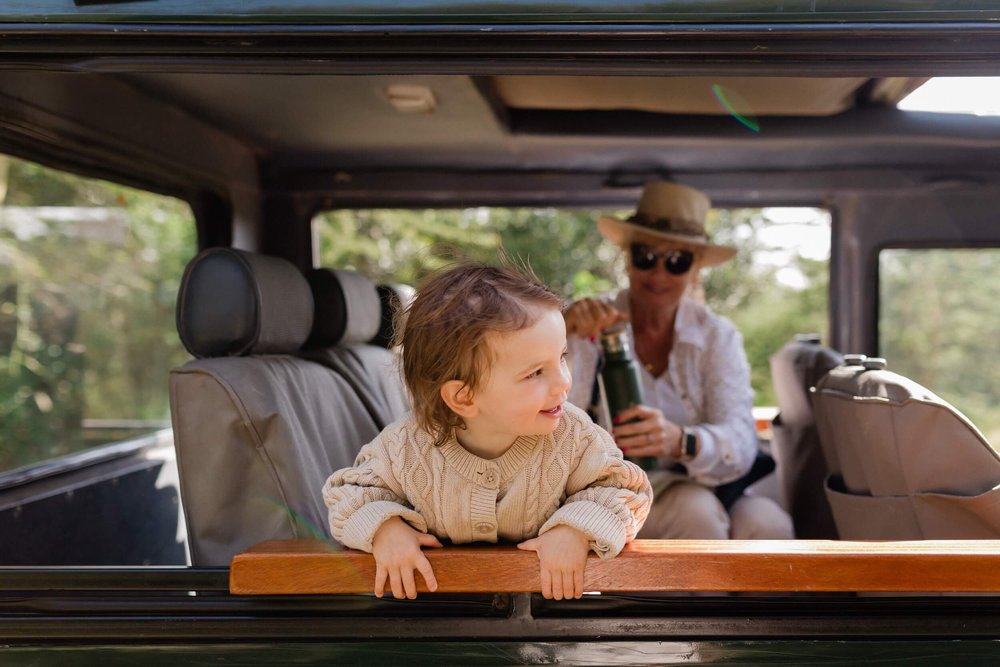
A Kenya safari with kids can be the trip of a lifetime, for the children and the grown-ups. Whether it soars or struggles comes down to one thing more than any other: how old your children are. Get the age and the pace right, and Kenya is one of the great family adventures. Get them wrong, and you’ve spent a lot of money to be exhausted. Here’s how to get it right.
Is your family ready? Age is everything

The most useful thing I can tell you is to match the trip to your children’s ages, honestly.
Under 2. This is hard. Long-haul flights, three-hour game drives on bumpy roads and a completely unfamiliar place are a lot for a baby or toddler, and they won’t remember any of it. It can be more of a tussle than a trip for the parents. It’s not a never, but if you go, choose small, intimate, flexible bases and keep your expectations low.
Ages 3 and 4. It varies a lot from child to child. Some cope beautifully. For others the attention span for long drives isn’t there yet.
Ages 5 and up. This is the sweet spot. Children are old enough to engage with the wildlife, remember the trip and handle the rhythm of safari days. If you’re asking when to go, this is my answer.
Teens. Wonderful. They’re engaged and adventurous, and they’re often the ones who fall hardest for it.

No operator will tell you this, because they want the booking: it’s completely fine to wait a couple of years. A safari at the right age is transformative, and at the wrong age it’s an expensive ordeal. Kenya isn’t going anywhere.
There’s good news too. Kenya is unusually welcoming to young children. Unlike much of Southern Africa, most lodges here happily take toddlers and babies. Not all do, which brings us to where you stay.
Where to stay: the family-friendly camp checklist
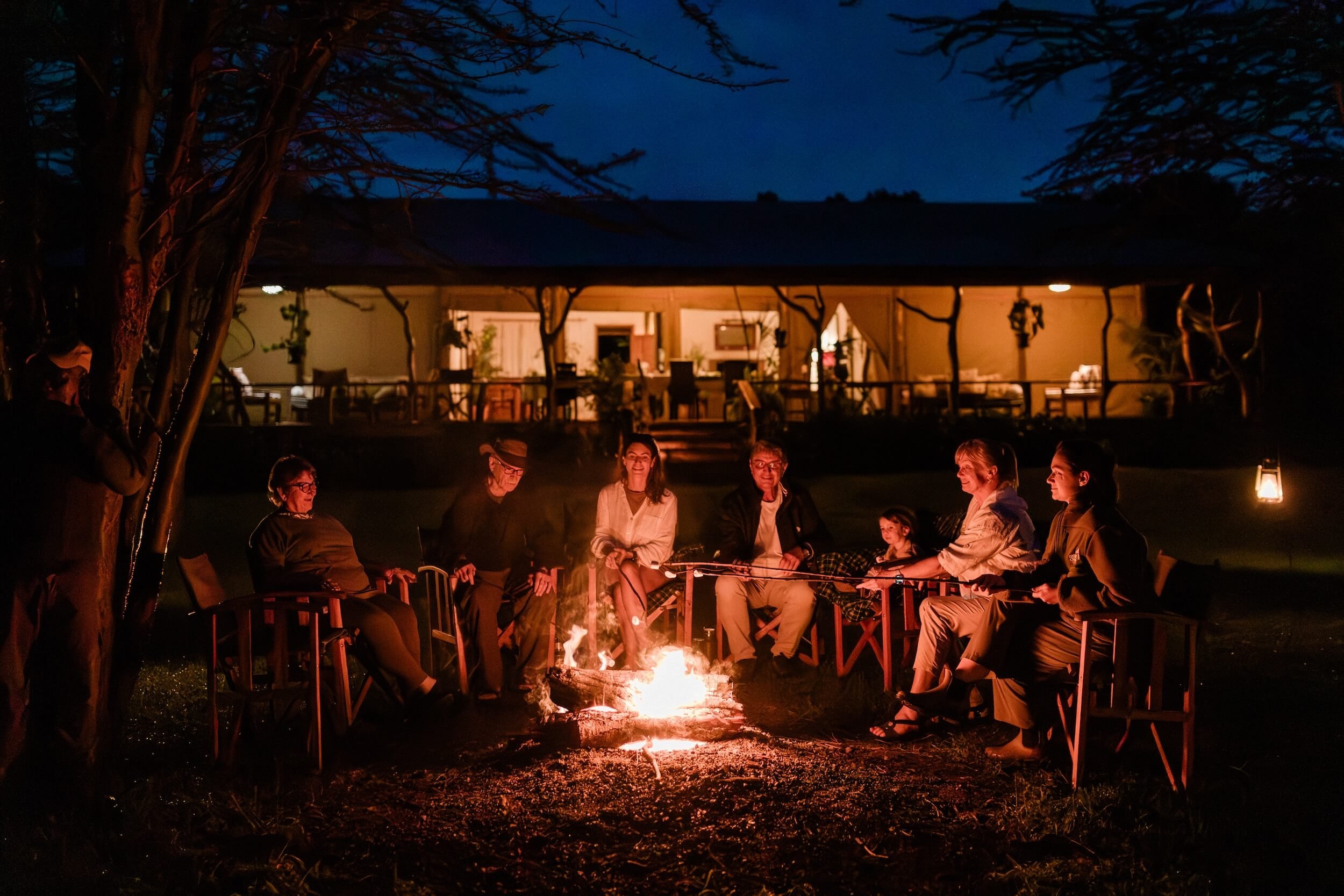
Not every camp suits a family, so choose with care. Look for a swimming pool, which is a lifesaver for hot midday breaks when it’s too hot to drive. Look for family tents or interconnecting rooms and flexible, early dining with kids’ menus. At the better family camps you’ll also find kids’ or junior-ranger programmes and sometimes babysitting, so you can have a quiet dinner.
Always ask a camp’s age policy before you book. Some set minimums. The historic Aberdare tree hotels, The Ark and Treetops, don’t take children under five, and others cap at six. As a rule, private conservancies are more relaxed and flexible for families than the busy national reserve, with more room to customise, more activities and fewer crowds. Our guide to the best safari lodges in Kenya flags the family-friendly picks.
Book a private vehicle

If you take one piece of advice from this guide, take this one. For a family, always book a private vehicle. You set the pace, you can cut a drive short when the little ones have had enough, and you can stop for the bathroom on demand. You’re also not sharing your once-in-a-lifetime game drive with strangers who didn’t sign up to spend it with restless children. It’s the best single decision you’ll make for a family safari. (If you’re weighing the options, private vs group safari explains the trade-offs.)
Plan the right pace

Children tire of safari fast if you cram the itinerary, so slow it right down. Over roughly two weeks, choose two or three parks, not five. Every move is a flight or a long, bumpy drive, and those wear kids out. Build in real downtime. The midday break, when it’s too hot to drive, isn’t lost time. Use it for the pool, rest and games.
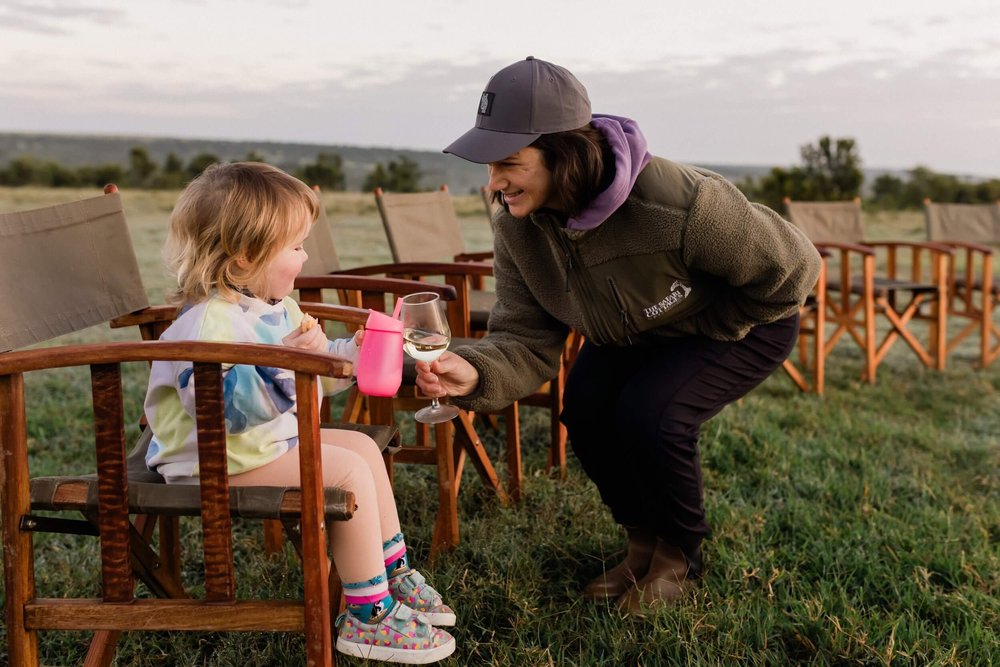
Be ready for the early starts. Game drives run at dawn and dusk, so 5am wake-ups come with the trip, and that’s where a private vehicle and a flexible pace save the day. Consider ending on the coast, too. A bush-and-beach trip finishing at Diani lets everyone unwind with watersports and bushbabies after the safari. (For timing your trip, see the best time to visit the Maasai Mara. For wider group logistics, our group travel guide helps.)
Keeping kids engaged
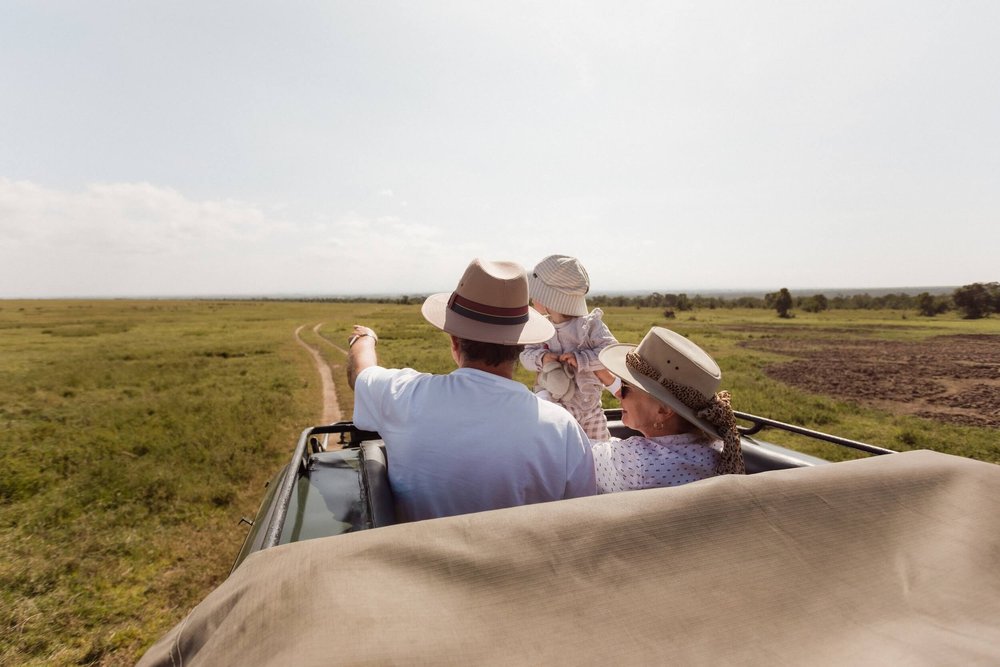
Game drives alone won’t hold most children for two weeks, so add some variety. Cultural visits to Maasai communities, where children learn the famous jump and hear warrior stories, are a hit. So are age-appropriate guided walks (mind the age limits) and hands-on activities like bead-making or junior-ranger sessions. A simple trick that works: buy a kid-friendly East African animal field guide before you go, so the children can learn the animals and turn each drive into a spotting game. Pack cards, games and reading for the downtime.
One heads-up. Predators hunting or feeding on a kill can be graphic, and it can catch a child off guard. Tell them in advance that the wild isn’t always gentle, and it lands as fascinating instead of distressing.
Health and safety for children

Speak to your doctor or a travel clinic well in advance about vaccinations and malaria prevention for your children. This is medical, and it depends on a child’s age and weight, so get proper advice instead of relying on any article, this one included. Pack child-friendly insect repellent, sunscreen and hats, layers for the big daily temperature swings, plenty of snacks and water for drives, and any regular or emergency medication, allergy medication especially.

On the ground, remember that many camps are unfenced. Staff will escort you after dark, so keep children close, stay in the vehicle on drives unless your guide says otherwise, and make sure the kids understand the rules. Follow the guide’s lead and a family safari is very safe.
Frequently asked questions
What’s the best age for a Kenya safari with kids? Five and up is the sweet spot. Children are old enough to engage, remember it and handle the rhythm. Under 2 is hard, and some camps require children to be five or six.
Is a Kenya safari safe for children? Yes, when it’s done sensibly. A family-friendly camp, a good guide and following the safety rules, such as staying in the vehicle and being escorted after dark, make it very safe.
Do all lodges take children? No. Always check the age policy before booking. Some camps, including The Ark and Treetops, don’t take young children, while others are designed for families.
How many days do you need for a family safari? Around two weeks at a relaxed pace, covering two or three parks with plenty of downtime, ideally finishing with a few days at the coast.
Is malaria a risk for kids in Kenya? It can be, depending on where and when you travel, so see your doctor about prevention for children well before the trip.
Is a bush-and-beach trip good for families? It’s ideal. A few days on the coast after the safari lets everyone unwind, and it breaks up the early starts and long drives.
Planning your Kenya safari with kids
The secret to a family safari is matching the trip to your children, meaning their ages, their stamina and their attention spans, and building it at a pace that keeps everyone happy. That’s what we do at Leopard Paw Safaris: a family trip planned around your kids, not a one-size-fits-all package. If you’d like help planning yours, get in touch. If this is your family’s first safari, start with our Kenya safari tips for first-timers.
Daisy is a former safari guide and the founder of Leopard Paw Safaris. You can reach her at info@leopardpawsafaris.co.ke or on +254 715 138325.
Comment