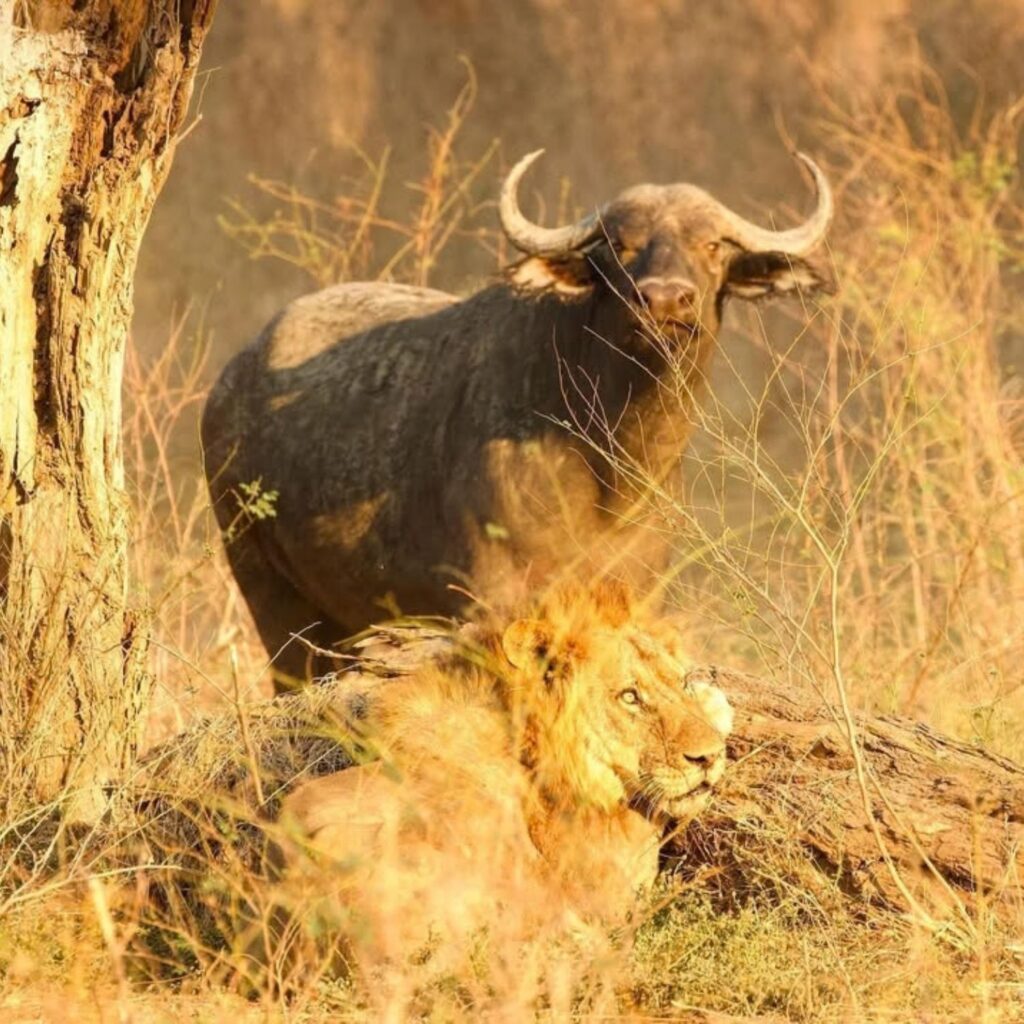
Kenya is one of Africa’s best countries for wildlife photography. It has open landscapes, plenty of animals, and strong light at the start and end of every day. For a photography safari in Kenya, the short version is this: go in the dry season, shoot at sunrise and sunset, and bring a long lens and a wide one.
What makes a photography safari different
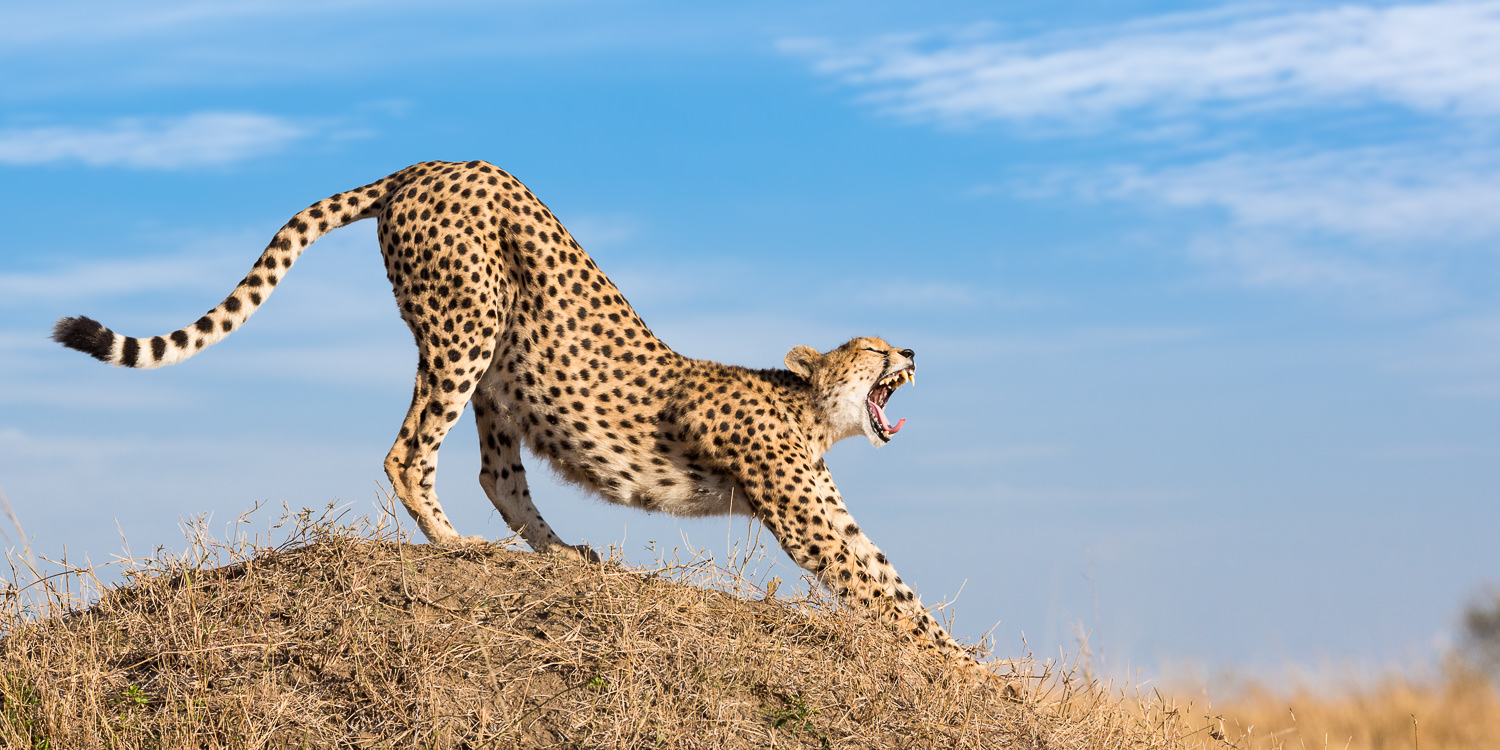
These trips often use specialised photography vehicles and expert guides. A good guide knows you need more time and patience than most guests, and will position the vehicle for the best view. Expect early starts, longer stops with good subjects, and fewer rushed drives.
Best places for a photography safari in Kenya

- Maasai Mara: famous for the Great Migration and river crossings, with big cats and wide plains.
- Tsavo East and West: Kenya’s largest parks and home to its highest elephant population.
- Samburu: a top destination with distinctive wildlife.
- Lake Bogoria: huge flocks of flamingos make it a prime spot for photographers.
- Amboseli: elephants framed by Mount Kilimanjaro. Our Amboseli guide has more.
Best time to go
Wildlife viewing is good all year, but the dry season from late June to October is the best window for photography. Within each day, plan your drives for early morning and late afternoon, when the light is best.
Gear that works
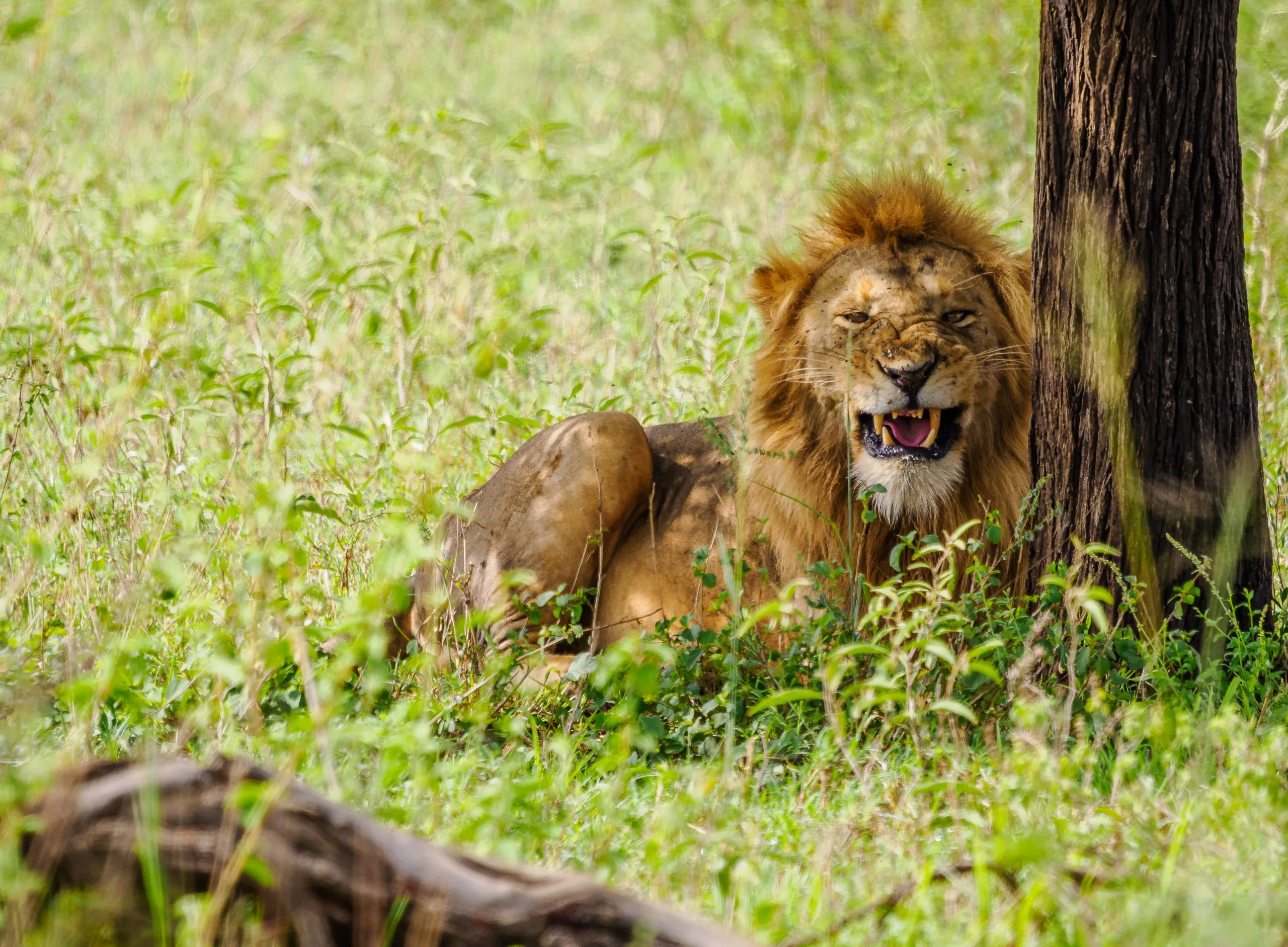
- Long lens: a zoom up to about 300mm, or a fast fixed 400mm, suits most wildlife. For distant or small subjects, longer helps.
- Wide lens: for landscapes and big skies. Sources recommend a zoom of around 200 to 400mm plus a wide lens.
- Two camera bodies if you can, so you don’t miss a shot while swapping lenses.
- Beanbag: it supports your lens on the vehicle and cuts shake. Tripods are awkward in a shared vehicle.
- Weatherproof protection: dust and rain are the main risks.
- Spare batteries and cards. Lodges have power points, but not every camp does, so ask first.
Tips for sharper, better photos

- Chase the light. Good light matters more than expensive gear.
- Watch behaviour. Spending time with the animals leads to better shots.
- Tell your guide what you want. A good guide positions the vehicle for light and background.
- Keep windows closed or gear secure. Monkeys have been known to reach in.
- Put the camera down sometimes. Leave room for simply watching.
Photographing people

Maasai, Samburu and Turkana communities make excellent subjects, but always ask permission first and respect local customs.
Planning your photography safari in Kenya
A good photography safari comes down to timing, light and patience. Go in the dry season and spend sunrise and sunset in the field. Pack a long lens, a wide lens and a beanbag, and let your guide set up the shot. Ask permission before photographing people, and enjoy the moment between frames.
Related reading
- 25 safari couple photo ideas, portraits and poses
- Best time to visit Maasai Mara, to pick your month
- Kenya safari packing list, what else to bring
- Private vs group safari, why a private vehicle helps photographers
FAQ
When is the best time for a photography safari in Kenya? The dry season, late June to October, is generally best. Early morning and late afternoon give the best light at any time of year.
What lens do I need? A zoom reaching about 300 to 400mm covers most wildlife, and a wide lens suits landscapes. If you can only carry one, take the long zoom.
Do I need a tripod? Not usually. A beanbag on the vehicle is more practical, because tripods are awkward in a shared vehicle.
Can I use a drone? In most safari areas, drones are restricted and permissions can be complicated. Check with your operator before bringing one.
Can I photograph local people? Yes, but ask first and respect their wishes.
Can I use a smartphone? It works for scenery and camp photos. Wildlife is usually too far away for good results without a long lens.