Unique Places to Stay in Kenya: A 2026 Guide
By Daisy, founder of Leopard Paw Safaris and a former safari guide.

Kenya does unusual stays better than almost anywhere. You can sleep in a tree over a floodlit waterhole, on an open platform under the Milky Way, on a near-empty Indian Ocean island, or in the desert north with camels at the door. Most lists of unique places to stay in Kenya throw a $2,000-a-night manor and a backpacker bus into the same pile, which isn’t much use. So I’ve sorted them by the kind of experience, with a plain word on who each one suits.
Sleep under the stars

This is the quietest kind of magic you can find in Kenya, and far fewer people do it than post about it. At camps across Laikipia and the Mara you can spend a night on a star-bed or sleep-out. That means a raised platform, a proper bed, and nothing between you and the whole night sky. Loisaba’s star-beds, set out over a Laikipia valley, are the best known, and several Mara conservancy camps offer a deck for the night too.
It suits couples, honeymooners, and anyone who’ll swap walls for one unforgettable night. It’s usually a single night rather than your whole stay, it depends on the weather, and it gets cold. Book it for what it is and you won’t regret it. (More in our romantic safari ideas.)
Up in the trees

Kenya’s treehouses range from the modern luxury forest camps of the north to the old Aberdare tree hotels. Treetops is where a princess became a queen overnight. The Ark is built like its namesake over a floodlit waterhole that you can watch late into the night. The appeal is different in each. Some are about luxury in the canopy, and others are about the waterhole theatre and the history.
Families and first-timers tend to love the waterhole tree hotels, and couples lean towards the luxury forest treehouses. Our treehouse safari guide goes through which ones are real treehouses and which are raised tents.
Life under canvas

On a Kenyan safari, a tented stay is almost the norm, but the range is huge. It runs from comfortable mid-range camps to opulent canvas suites with plunge pools, and to mobile camps that pack up and follow the migration. You get canvas walls, but a real bed and an en-suite bathroom inside, with the bush right outside at night.
It suits almost everyone, because it’s the classic safari stay. The real question is which level and style suits you. Our glamping guide walks through it, including why the word “glamping” tells you nothing about the price.
On the water
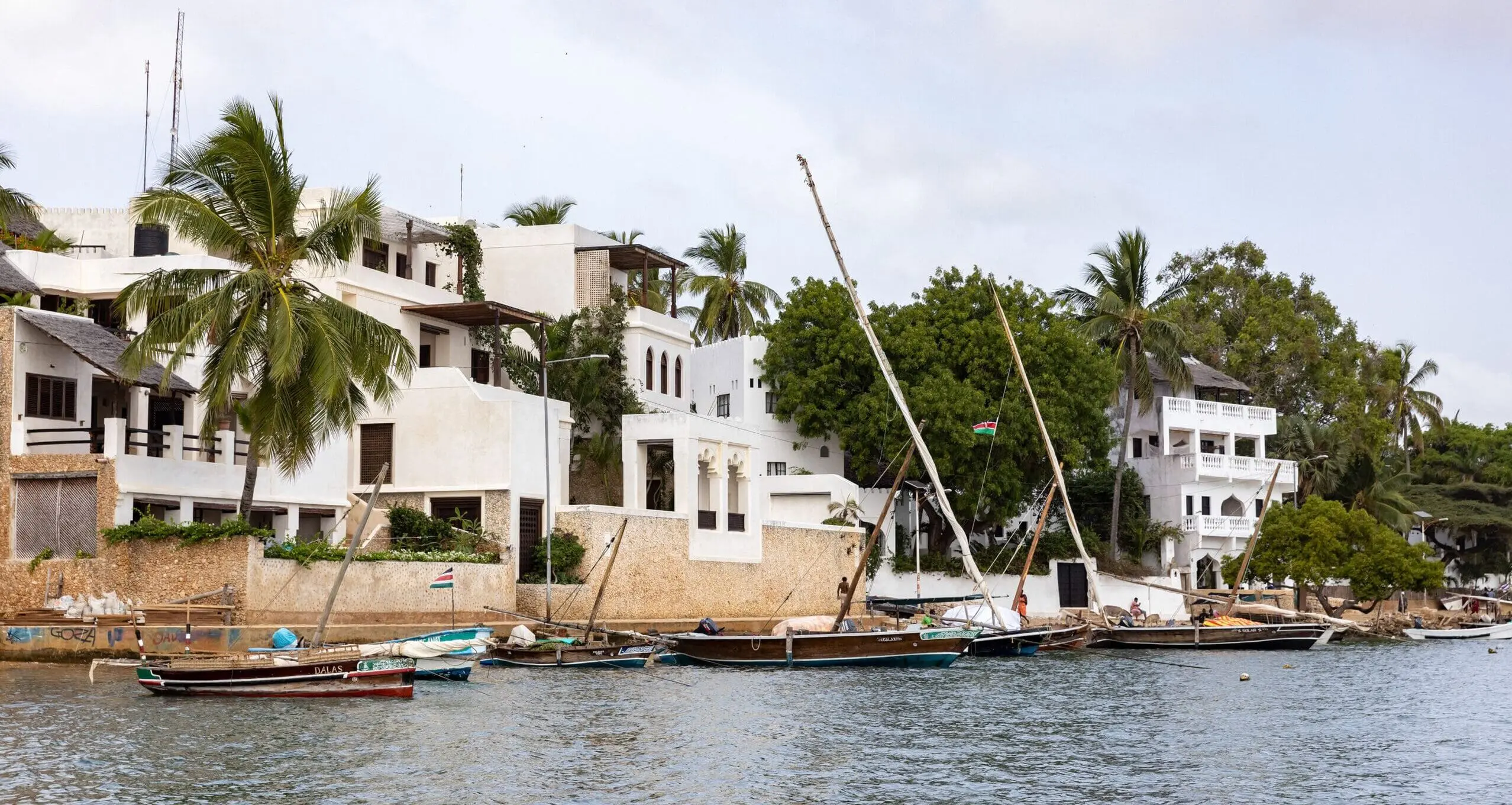
When the bush is done, the coast and islands are a good way to finish. The Lamu Archipelago, which takes in Manda, Lamu and Kiwayu, has near-empty beaches, dhow sailing and a Swahili character you won’t find anywhere else. Diani and Watamu offer white-sand, barefoot-luxury beach stays a short hop from the parks.
These suit honeymooners and anyone planning a bush-and-beach trip. Lamu is the more remote, characterful choice, and Diani is the easiest and best connected. (For where to base yourself, see our best safari lodges in Kenya.)
The wild north

Kenya’s northern frontier holds some of the most singular stays in the country. That means Samburu, the Mathews Range and the huge conservancies. The camps are remote, often community-owned and off the grid, and you reach them by light aircraft, or on foot and by camel. The journey is part of the point, and the wilderness feels properly untamed.
They suit adventurous travellers and repeat safari-goers who want to be far from the crowds. The trade-off is real remoteness, with long transfers and true isolation. That’s what makes them special, and it’s a bit much for a short first trip.
Heritage stays and quirky one-offs
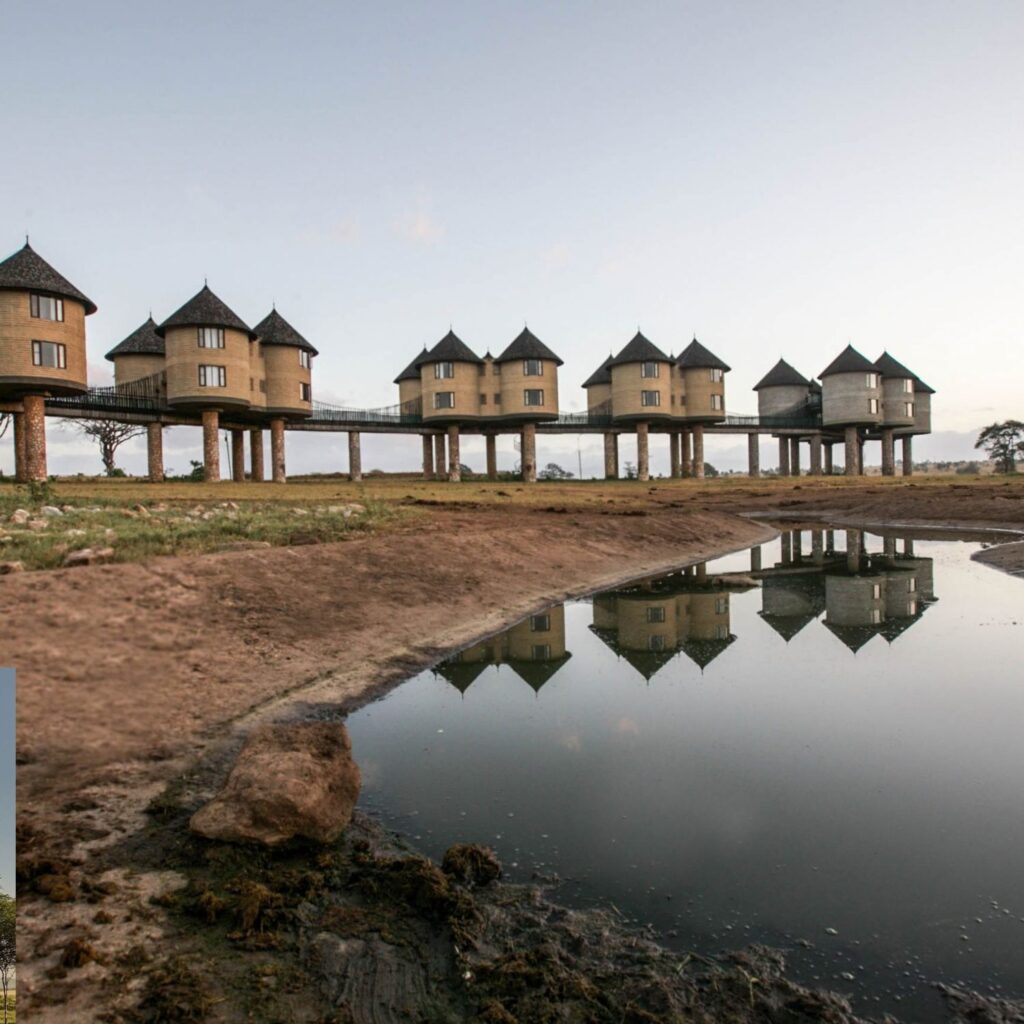
Kenya is full of genuine one-offs. Cottar’s 1920s Camp is a living piece of safari history, with vintage canvas and butler service the way it was a century ago. There are log cabins high on Mount Kenya at Rutundu, reached by 4×4, and the stilted Salt Lick Lodge in Tsavo. And there’s Giraffe Manor, where Rothschild’s giraffes put their heads through the windows at breakfast.


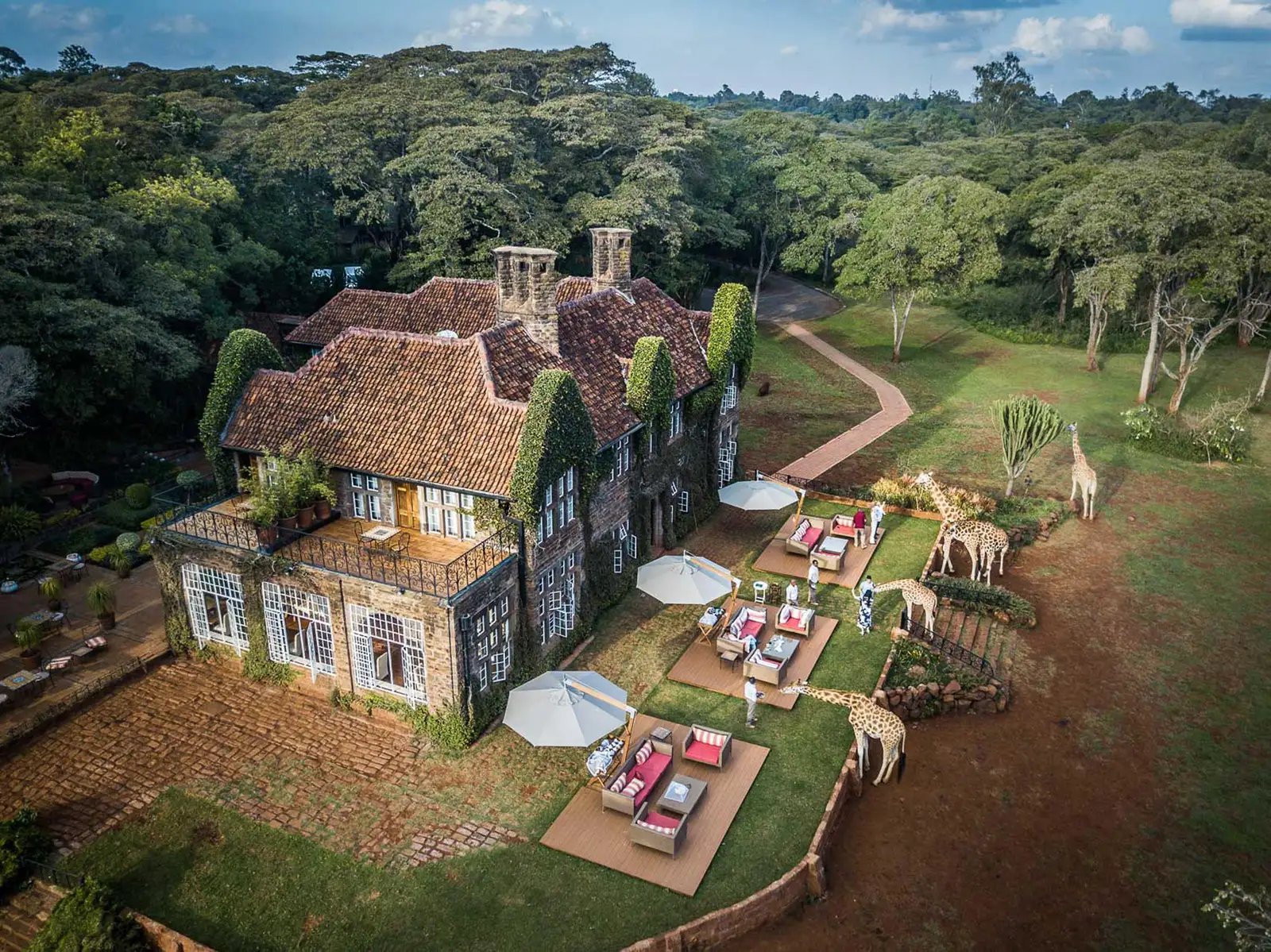
Who these suit depends on the place: heritage lovers, families, bucket-listers. Read our Giraffe Manor guide before you book. It’s magical for the right traveller, and many people misunderstand it.
How to fit a unique stay into your trip

A unique stay works best as a highlight inside a wider trip, not as the whole trip. A star-bed night, a tree-hotel stop and an island finish are all good, but one or two of them built around a classic safari is the sweet spot. Try to string them all together and you’ll spend the holiday in transit and miss the wildlife you came for. Choose the one or two that will mean the most to you and put them where they fit best. (New to planning? Start with our Kenya safari tips for first-timers.)
Frequently asked questions
What’s the most unique place to stay in Kenya? There’s no single answer. It depends on what unique means to you: a star-bed under the Milky Way, a tree hotel over a waterhole, a Lamu island retreat, or a remote northern camp.
Can you really sleep under the stars in Kenya? Yes. Star-beds and sleep-out decks, at Loisaba and various Mara camps, let you sleep in the open on a raised platform. It’s usually a special one-night experience, and it can be cold, so pack layers.
What are the Kenyan tree hotels? They’re historic lodges in the Aberdares, Treetops and The Ark, built over floodlit waterholes so the wildlife comes to you, including at night.
Is Giraffe Manor worth it? For families and bucket-listers set on breakfast with giraffes, yes. But it’s a Nairobi hotel experience, not a safari, and it’s expensive and hard to book.
Can you stay on an island in Kenya? Yes. The Lamu Archipelago off the north coast has remote, characterful island stays, and Diani and Watamu have beach retreats, all good for a bush-and-beach finish.
Are unique stays worth it over a normal lodge? Often, as a highlight. Fit in one or two rather than building the whole trip around them, so you don’t lose wildlife time to transfers.
Choosing from the unique places to stay in Kenya
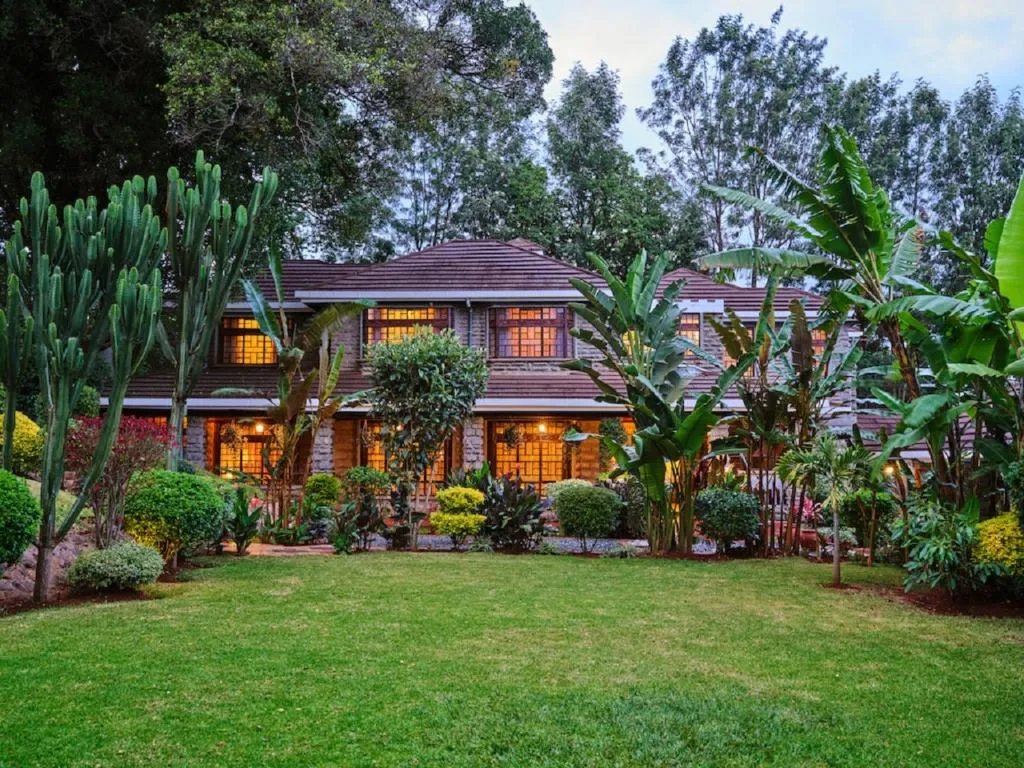
The most unusual stays are often what people remember longest. The trick is to choose the right one or two for you and fit them into a trip that still delivers the wildlife. That’s what we plan with guests at Leopard Paw Safaris. If you’d like help building yours, get in touch. For more detail, see our guides to treehouse stays, safari glamping and the best safari lodges in Kenya.
Daisy is a former safari guide and the founder of Leopard Paw Safaris.