

A self drive safari in Kenya lets you pick the vehicle, the route and the pace. You decide where to sleep and how long to stay at each park. The trade-off is that you also handle what a tour operator would normally sort out: the car, the fuel, the park fees and the road planning.
This guide walks through what each of those costs, what different budgets look like, and which routes suit which trip. The aim is to help you plan a self drive safari in Kenya without surprises at the till.
What a self drive safari in Kenya costs

There is no single price. The total depends on trip length, vehicle, destinations, accommodation and how many people share the bill. Five items make up most of it.
The vehicle is usually the biggest. Current rental guidance puts safari-capable 4x4s at roughly KES 10,000 to 25,000 per day. A smaller car costs less, but it may struggle on rough park roads. Rental quotes also change with insurance, mileage limits, security deposits, camping gear, extra drivers and one-way drop-offs, so compare the full package and not just the daily rate.
Fuel comes next. Safari routes are long, and game drives add more kilometres on top. Your bill depends on distance, how thirsty the vehicle is, fuel prices and how many parks you visit. A big 4×4 drinks more than a small car, so the cheapest vehicle to hire is not always the cheapest to run.

Park fees surprise many first-timers, especially non-resident visitors. The current KWS schedule lists non-resident adult entry at $90 per day for Amboseli and Lake Nakuru, and $80 per day for Nairobi National Park, Tsavo East and Tsavo West. Fees are charged per person, so a two-person trip adds up fast. Check the current rate for each park before you lock in a route, because they are not all the same.
Accommodation is the part you control most. You can camp at public or private sites, use budget rooms, stay in mid-range camps and lodges, or book higher-end lodges. Camping cuts costs sharply. Sleeping inside or close to a park saves driving time but usually costs more.

Food and small extras fill the rest. Groceries, restaurant or lodge meals, drinking water, snacks and the odd activity all count, along with vehicle charges at the park gate and a little money set aside for road problems.
As a planning guide, recent 2026 estimates put a two-adult camping trip at around $320 to 450 per day. A comfortable lodge trip runs from roughly $500 to 900 or more per day. Treat those as ranges, not fixed prices. The gap between them comes mostly from the vehicle, the accommodation and the park fees, not from the safari itself.
Budget, mid-range and comfortable trips
It helps to think about the kind of trip you want before you think about a price.
A budget trip keeps the big costs down. You share the vehicle with other travellers, camp or use affordable rooms, limit long transfers, choose parks carefully and cook some of your own food. It suits people who care more about the wildlife than the bed.
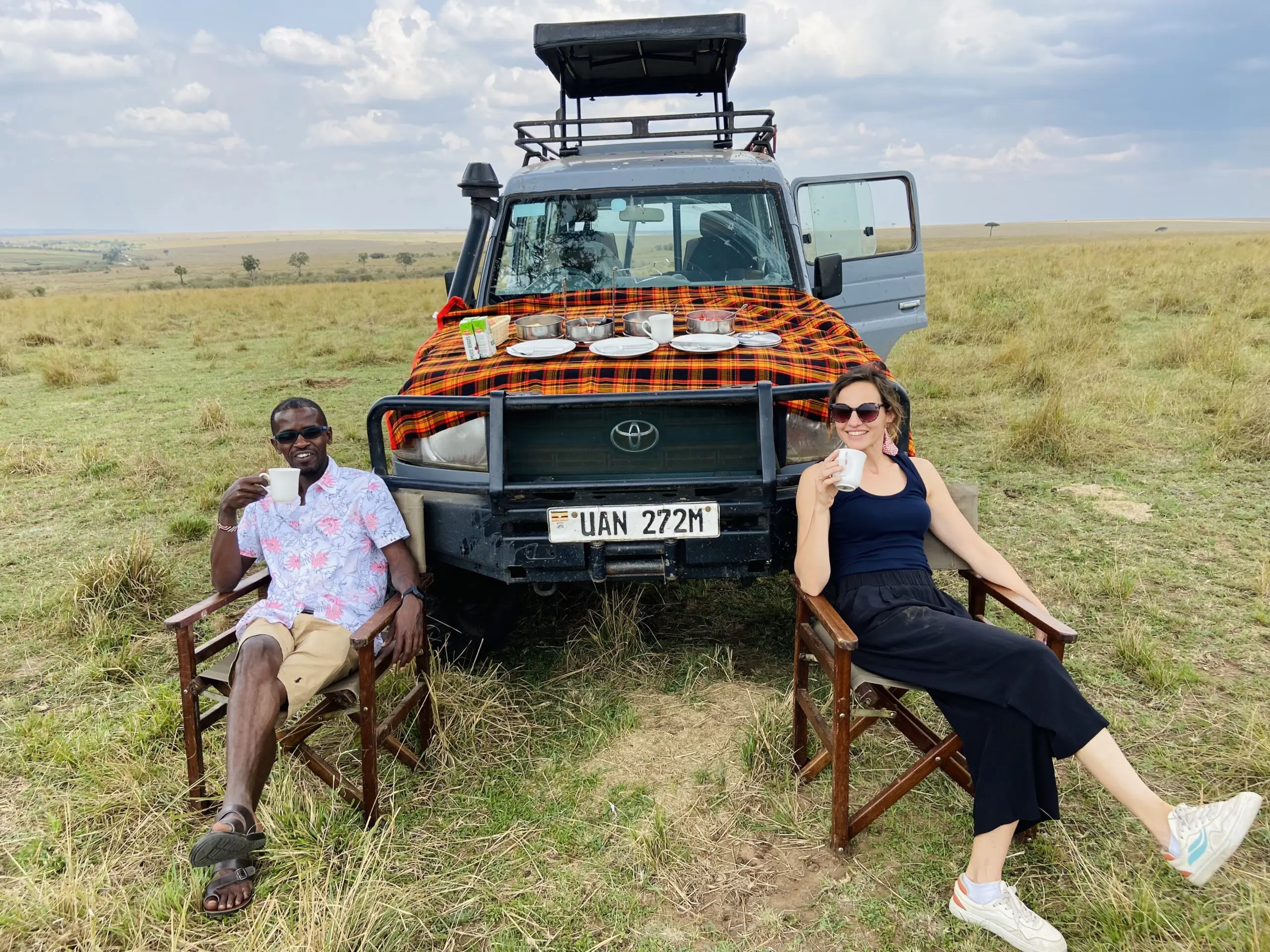
A mid-range trip adds comfort without turning into a luxury holiday. You hire a reliable safari vehicle, stay in mid-range lodges or camps, eat some meals out and spend several nights in the main wildlife areas. For most people who want independence without much sacrifice, this is the practical choice.

A comfortable trip means a roomier, better-equipped vehicle and lodges or camps with meals included. At this level you are no longer trying to save money. You are paying for control over the itinerary while keeping a high standard of comfort.

Two quick examples show how the sums work. A short trip keeps costs manageable because you pay for fewer rental days, less fuel and fewer nights. If you want a ready-made short route, try the 3-day Maasai Mara plan. For two people, a 3-day trip costs the vehicle, plus fuel, plus park fees for two, plus two nights of accommodation, plus food and a buffer. A nearby park needs far less fuel than a longer Mara or northern route.
A 7-day trip gives you room to combine destinations, but you pay for seven days of vehicle hire and several days of park entry. The sum is seven days of rental, plus fuel, plus park fees, plus six or seven nights of accommodation, plus food and a buffer. Route planning matters most here. A badly designed week can burn a large share of the budget just moving between parks.
Self drive safari routes by budget

Your budget shapes the route as much as the bed. If money is tight or you only have a few days, stay close to Nairobi. Shorter drives mean lower fuel and rental costs, and it is a gentle way to try self-driving for the first time.
With a mid-range budget, Lake Nakuru and the Maasai Mara make a good pair. You get a wider safari without an extreme itinerary. The catch is that park fees and lodge prices climb quickly, especially in busy months, so allow enough days to make the distance worthwhile.

The southern circuit links Amboseli and Tsavo. It gives you different scenery and wildlife and works well as a multi-day road trip, provided you have the time to avoid spending most of it behind the wheel.
Samburu in the north feels very different from the south. It is far away, so it suits travellers with extra days and enough budget for the added fuel and rental.
If you want beach time at the end, you can drive from Nairobi to Amboseli, then Tsavo, then on to the coast. It turns the safari into a longer road adventure, though the distance means you need enough days to avoid rushing. Our Kenya safari packing list covers what to bring for a trip like this.
What you need for a self drive safari

You do not need a huge amount of gear, but a few decisions make the trip much easier.
Pick the vehicle for your actual route, not the lowest price. A high-clearance 4×4 is the safer choice for longer routes and rough park tracks.
Download offline maps before you leave a reliable signal. Do not rely on mobile data in remote areas, and save your bookings and directions too, since coverage can drop without warning.

Know where your next dependable fuel stop is before you set out. Game drives and long transfers use more fuel than most people expect, so never assume the next station is close.
Book accommodation to fit your route, not the other way round. Where you sleep decides how much you drive each day.

Carry plenty of drinking water and some basic food, even if you stay at lodges. Snacks and water in the vehicle help on long drives.
Most big expenses can be paid electronically, but check which services on your route take cards or mobile money. Park entry for self-organised visitors goes through the KWSPay portal, where KWS lists M-Pesa, Visa and direct bank transfer as accepted methods.
Planning the logistics
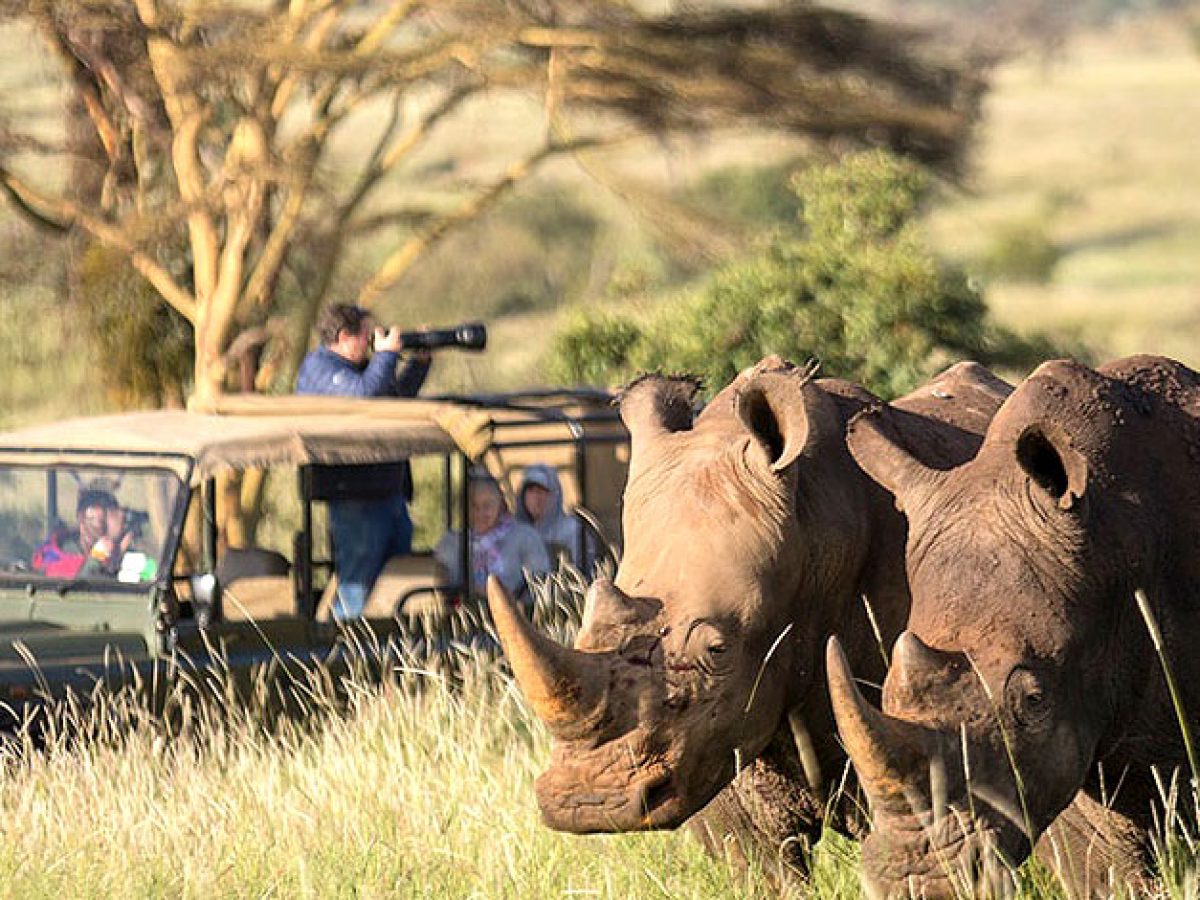
Good logistics save money and stress. Start with the days and budget you have, then choose parks. Seeing two destinations properly beats rushing through four or five.
Do not plan driving times from map distance alone. Road conditions, traffic, stops and slow stretches all add hours, so leave slack in the schedule and avoid planning every day to the last hour. Mark fuel stations along the route before you leave, and for remote sections think about your vehicle’s range against the gap between reliable pumps.
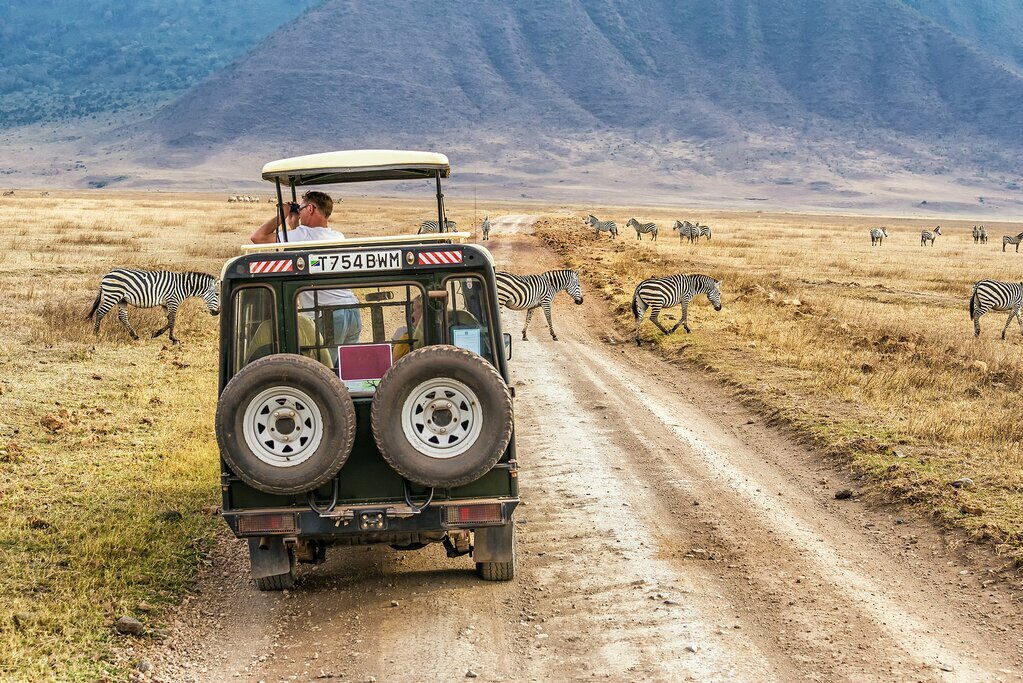
Once the route is set, choose lodging that fits it geographically. Sleeping near your entry point or game-drive area saves time and fuel.
Check current fees, entry rules and opening information before you travel. KWS publishes its conservation fees and points self-organised visitors to KWSPay, so use official figures and not an old blog post or forum comment. Finally, leave room for the unexpected. A flat tyre, heavy rain or a slow road can change your day, and a self drive trip is far easier with a little breathing space.
How to keep the cost down

You do not have to pick the cheapest safari to save money. Most savings come from planning well.
Travel as a group where you can. Sharing the vehicle and some rooms cuts the cost per person, as long as the vehicle has space for everyone and their bags. Mix accommodation levels too. You do not need the most expensive lodge at every stop, and a blend keeps the trip comfortable without making every night a big expense.
Avoid extra long transfers. Each added destination brings more fuel, more driving time and often another park fee, so pick places that sit naturally together and drive one continuous circuit instead of backtracking. Camping can cut accommodation costs and give you flexibility, but only if you are comfortable with the gear and conditions. Travelling outside the busiest months can also lower prices, though you should weigh weather and road conditions when choosing dates.
Is a self drive safari in Kenya worth it?

It is worth it if you value freedom, flexibility and control over your trip. It is not automatically the cheapest option. Rental, fuel, park fees and lodging can add up quickly, particularly for two people in expensive lodges or visiting several parks.
The real advantage is that you decide where the money goes. You might spend more on a better vehicle and save on rooms, camp for part of the trip and use a lodge for the rest, or cut transfers with a tighter route. For people who enjoy road trips and are comfortable handling their own navigation, that flexibility can matter more than the price gap with a guided package.
The best self drive safari in Kenya is not the cheapest one. It is the one where your route, vehicle, accommodation and time work together without wasting money or turning the trip into a race between parks.
Self drive safari in Kenya: common questions
How much does a self drive safari in Kenya cost? It depends on vehicle, destination, accommodation, trip length and group size. A camping trip can cost far less than a lodge trip, while park fees and rental can become the main expenses on longer routes.
Is a self drive safari cheaper than a guided one? It can be, especially when several people share the vehicle and rooms. The gap depends on the route, accommodation level, vehicle and park fees.
How much does a 4×4 hire cost? Safari-capable 4x4s commonly fall in the range of about KES 10,000 to 25,000 per day, depending on the vehicle and the rental package.
Do I need a 4×4? It depends on the route. Easier roads may suit a lesser vehicle, but rough park tracks and longer routes are better with a high-clearance 4×4.
What is the cheapest way to do it? Keep the route short, share the vehicle, choose affordable lodging or camping, and avoid adding destinations that need a lot of extra driving.
How many days are enough? Three days works for a focused trip around one destination. Five to seven days lets you combine parks, and longer trips open up wider road-trip routes.
Can I pay park fees myself? Yes. KWS says self-organised visitors can pay through the KWSPay portal using M-Pesa, Visa or direct bank transfer.
What is the biggest expense? It varies. Vehicle hire, accommodation and park fees can each lead, depending on your route and style. On longer trips the combined total matters more than any single item.
Is it difficult? It depends on the route and your driving experience. Some parks are easy to reach, while remote areas and rough roads need more preparation. Good route planning, offline maps and the right vehicle make it much easier.
Comments