
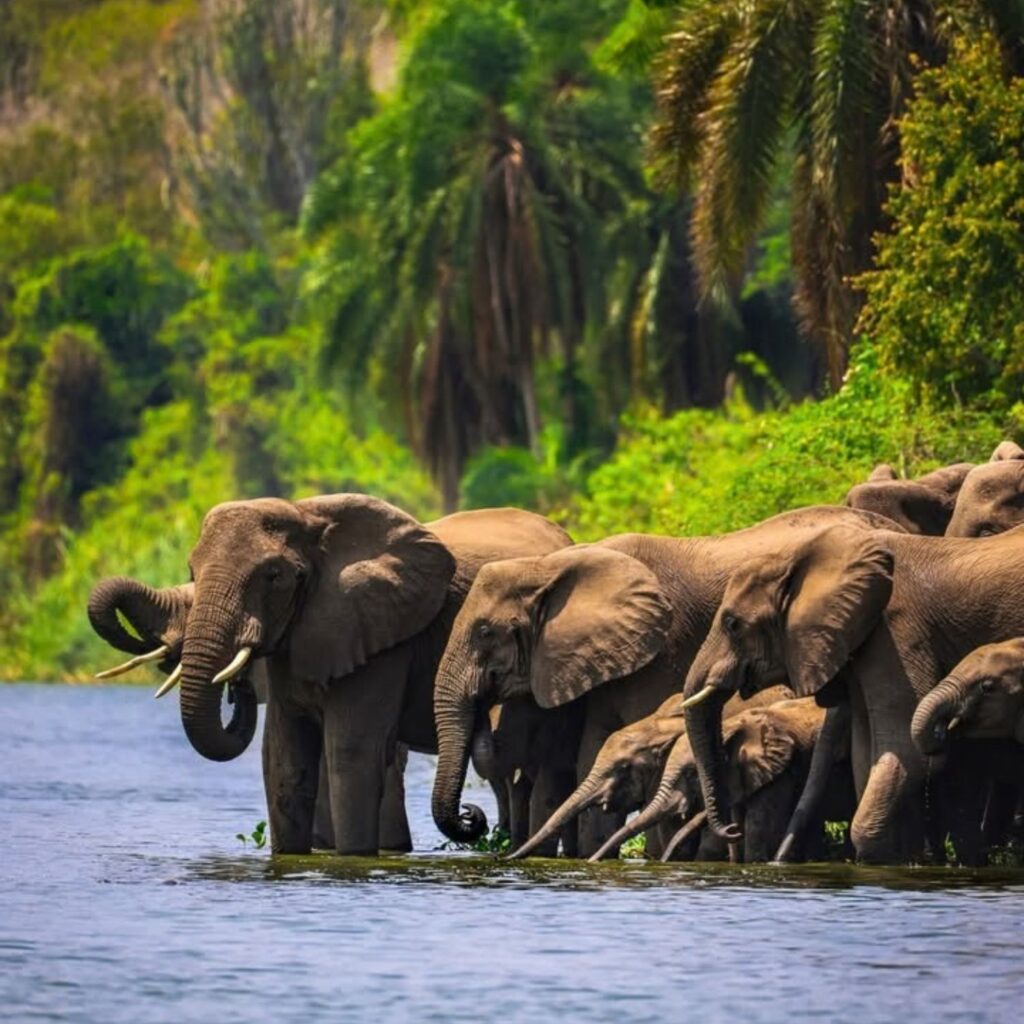
Kenya is one of the best countries in Africa for watching wild elephants. For an elephant safari in Kenya, the top three places are Amboseli, Tsavo and Samburu, and each gives you a different experience. You watch the elephants in the wild, from a vehicle or on guided walks. Riding them isn’t part of a standard safari.
Best places for an elephant safari in Kenya
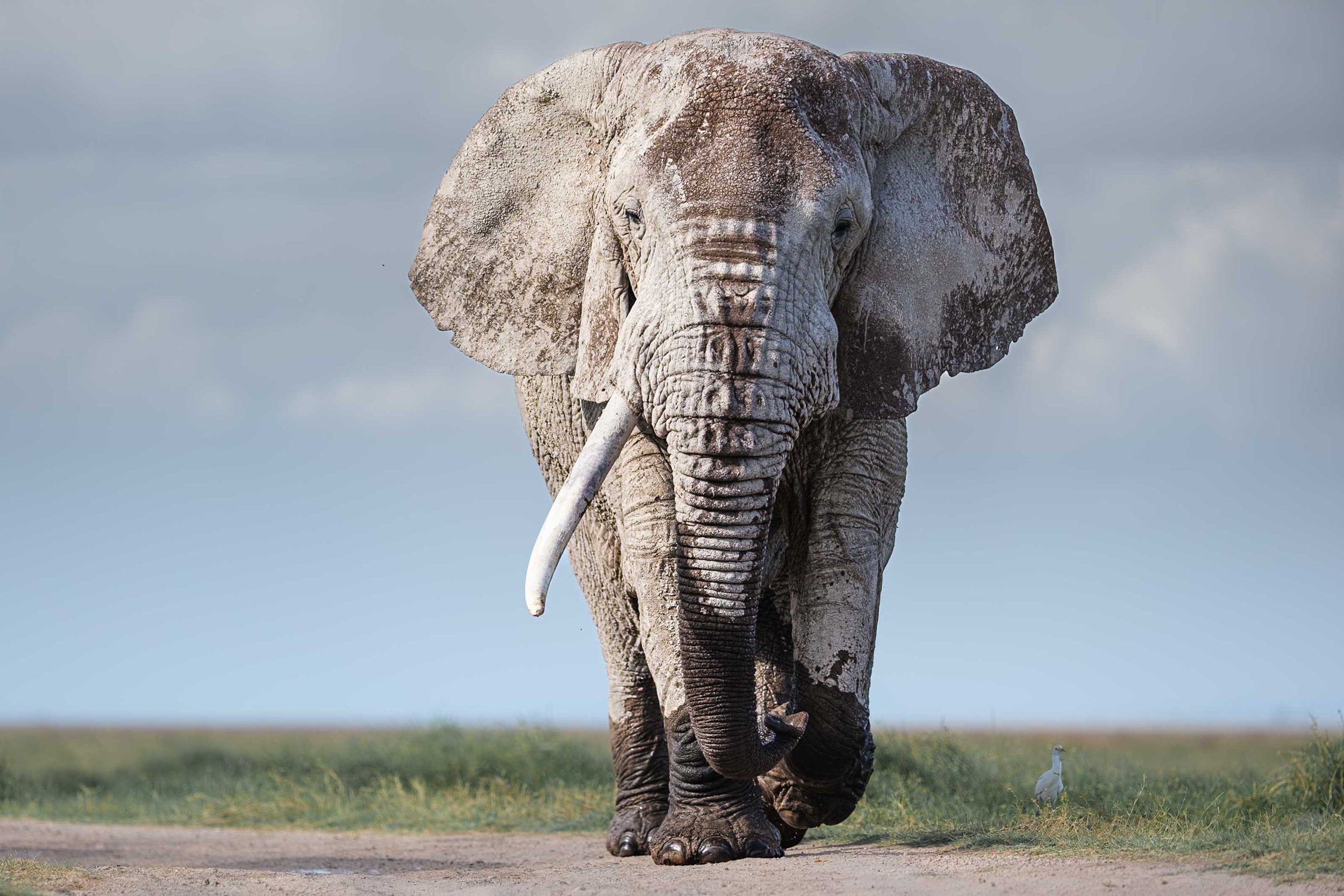
Amboseli National Park is best for close-up views. The elephants here are plentiful and easy to spot on open plains, with Mount Kilimanjaro behind them when the clouds clear. Herds of up to 100 are reported, and the animals are relaxed around vehicles after decades of research in the park. Plan two or three days.
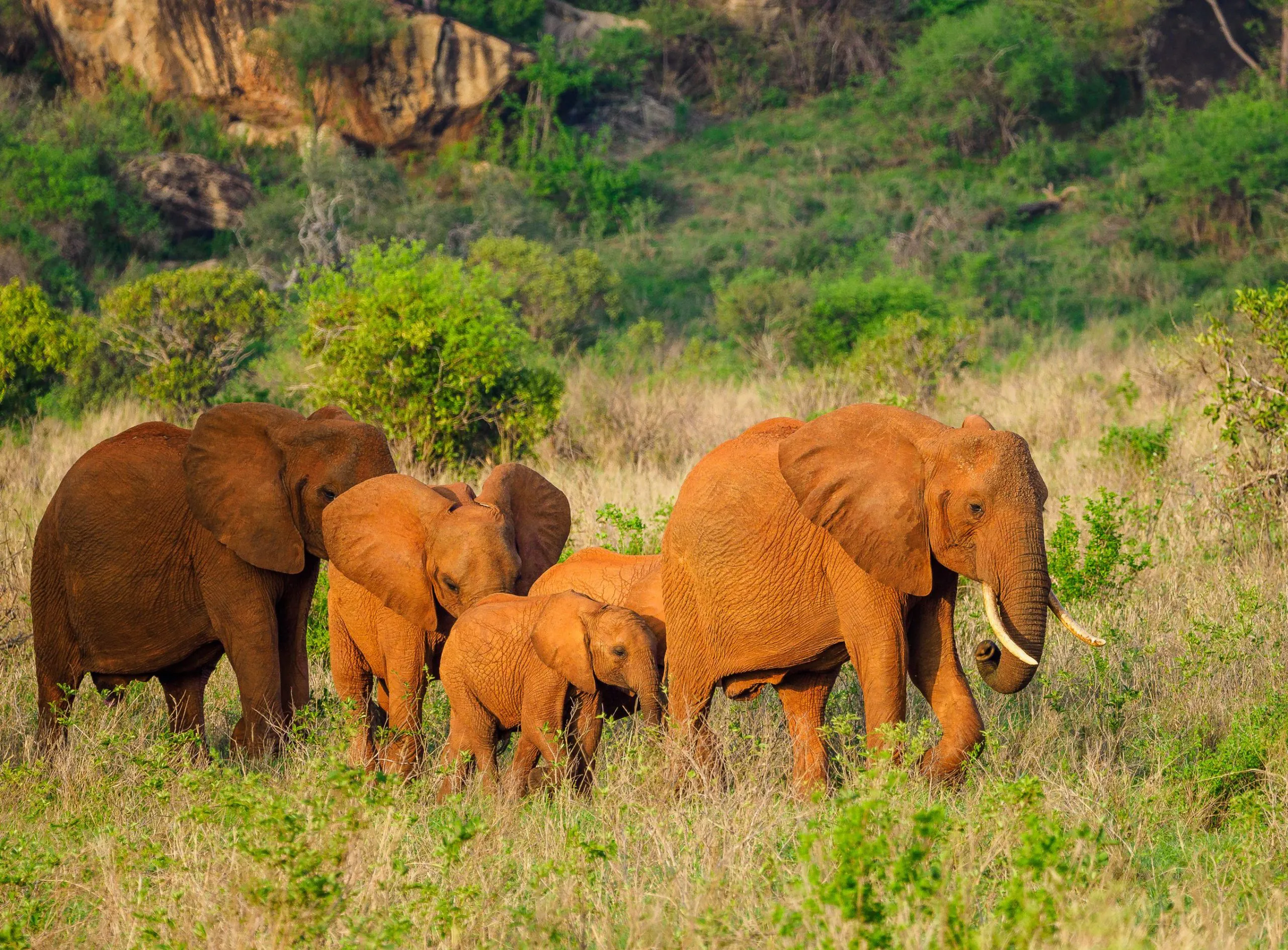
Tsavo East and West are best for wild, remote country. Tsavo is Kenya’s largest protected area and holds the biggest share of the country’s elephants, which one source puts at around 35,000. It’s also known for its red elephants, coloured by the earth they dust themselves with.

Samburu National Reserve is best for breeding herds. Samburu has big breeding herds, and many are used to vehicles because researchers from Save the Elephants work in the reserve every day. One source puts the number of resident or visiting elephants at over 900.
Three more places are worth knowing. In the Chyulu Hills, wildlife comes down to the plains of Amboseli and Tsavo during the day. In Laikipia, elephants are a big part of the scenery. And the Maasai Mara is a top spot for elephants alongside the big cats.
Amboseli or Tsavo?
Amboseli is better for close-up viewing and the classic Kilimanjaro photo. Tsavo feels wilder and more remote. If you have the time, combining the two usually gives you the best trip.
Best time to see elephants in Kenya
- Amboseli: June to September is best, but July and August can feel crowded.
- Samburu: avoid the main rainy months of April and May.
- Tsavo: the best time matches the best time for the coast.
- General rule: the dry season, July to September, is a good bet everywhere, because elephants gather near water.
Visit an elephant orphanage

In Nairobi, the David Sheldrick Wildlife Trust runs a daily public visit to watch orphaned elephants being fed. One source says that fostering an elephant, at about $50, lets you make an appointment to visit at 5pm, when the elephants return to their stockades for the night. Check current hours and booking rules before you go.
Watching elephants responsibly

- Stay in the vehicle unless your guide leads a walk, and keep your voice down.
- Keep your distance, especially from mothers with calves and bulls in musth.
- Never block their path, and let your guide decide when to move.
- Don’t feed or call to them, and follow park rules.
- Choose a guide who reads behaviour. Flapping ears, a raised trunk or head-shaking are warning signs.
Planning your elephant safari in Kenya
For the best elephant safari in Kenya, start with Amboseli for easy, close sightings. Add Tsavo for wilder scenery, and consider Samburu for breeding herds. Travel in the dry season, give the animals space and let your guide set the pace. If you only have a short trip, Amboseli is the safest single choice.
Related reading
- Amboseli National Park safari guide, the full park guide
- The Big Five in Kenya, where elephants fit among the five
- Maasai Mara vs Amboseli, choosing between the two
- Kenya safari 7-day itinerary, combining parks in one trip
Elephant numbers and park conditions change. Confirm details with your operator before you travel.