
Birdwatching Safari in Kenya: Where to Go and What You Need

By Daisy, founder of Leopard Paw Safaris and a former safari guide.

Kenya is one of the great birding countries on earth. It has well over 1,100 species across an astonishing range of habitats, from Rift Valley flamingo lakes to rainforest to high moorland. Before you book a birdwatching safari in Kenya, one question shapes the whole trip: do you want a birding safari, or birds on your safari? They sound alike and they’re completely different trips. Here’s how to tell which you are, and how to see plenty of birds either way.

Two kinds of birding trip

Get this right first, because it decides where you go, how you travel and how much you spend.
The dedicated birder. You keep a life list, you’ll happily spend an hour on one skulking forest species, and you want the endemics. Your trip is built around habitat variety, meaning forest, lakes, coast and highlands, not just the savanna parks, with a specialist bird guide and a slower, bird-led pace. A committed two-week birding safari here can record 350 to 400 species, which stands up against anywhere in the world.

The general safari-goer. You’re coming for the classic safari, with big cats, elephants and the plains, but you’d like to enjoy the birds too. Kenya’s are spectacular and impossible to miss. Tour operators would rather sell you a specialist package, but you don’t need a dedicated birding trip at all. The savanna parks alone are full of showstoppers, and with a good guide and a pair of binoculars, birding enriches an ordinary safari without changing your itinerary.

Most people reading this are the second kind, so don’t let specialist marketing talk you into a trip you didn’t want. If you are the first kind, read on for how to build the real thing.
Where to go: think in habitats

Different birds live in different worlds, so the richest trips mix habitats instead of piling up nights in one.
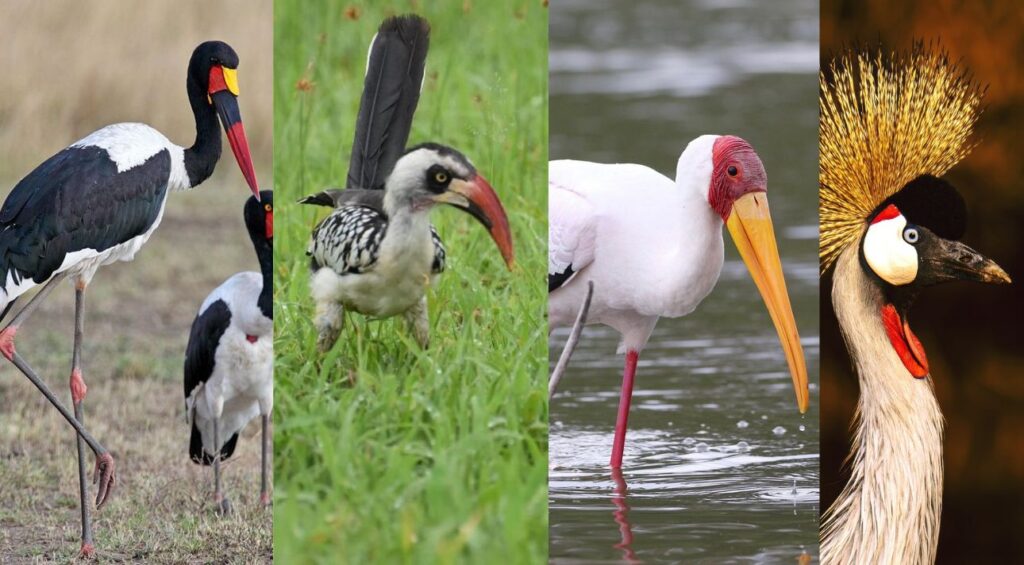
The savanna (Mara, Amboseli, Samburu). This is where most safaris already go, and it’s full of birds alongside the Big Five: lilac-breasted rollers, the striding secretary bird, kori bustards, grey crowned cranes and a wealth of raptors. For the general safari-goer, this is all the birding you need. (Where to base yourself is in our best safari lodges in Kenya, and the birds sit right alongside the Big Five.)


The Rift Valley lakes (Nakuru, Naivasha, Baringo, Bogoria). This is the water-bird spectacle, with great gatherings of flamingos, fish eagles, herons and waders. It’s easy and rewarding, and a natural add-on to a Mara trip.
 v

Kakamega Forest. Kenya’s only tropical rainforest is a different world of birds, with forest endemics and canopy specials you won’t see anywhere else in the country. It’s serious-birder territory.

The coast (Arabuko-Sokoke). This protected coastal forest holds rare, globally threatened endemics, and it pairs easily with a beach finish. It’s the birder’s version of bush and beach.

The highlands (Mount Kenya, the Aberdares). High-altitude moorland species live here and nowhere lower down. It’s one for the dedicated lister rounding out the habitats.

When to go

Kenya is a year-round birding destination because the resident species are always there. The prime window is roughly October or November to April, when migrants from Europe and Asia pour in and swell the numbers, and many resident birds are in breeding plumage. If you’re a general safari-goer birding as you go, the ordinary dry-season safari months are fine too. (For the wider timing picture, see the best time to visit the Maasai Mara.)
A good bird guide changes everything
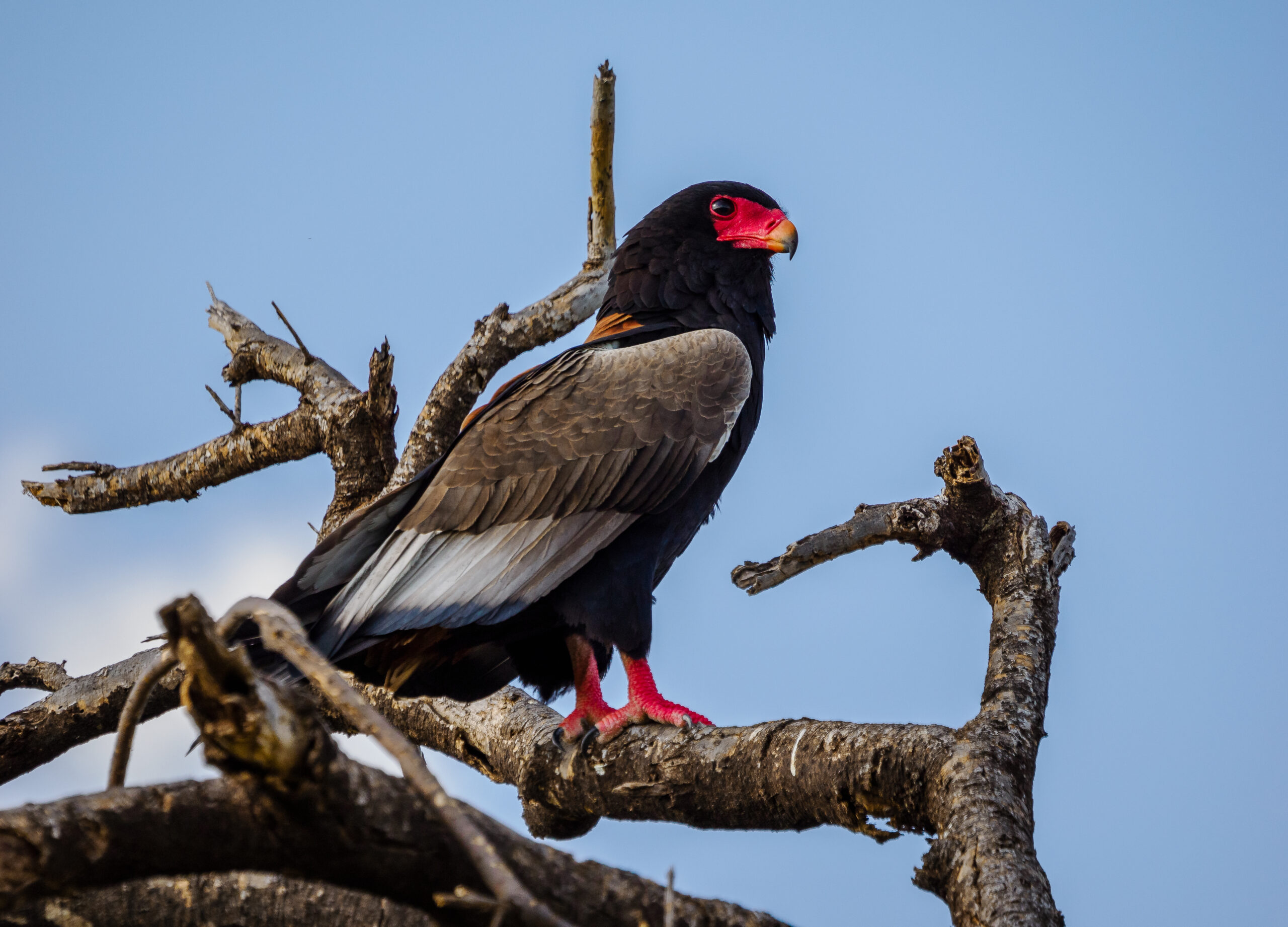
If guiding matters for mammals, it matters even more for birds. A specialist bird guide identifies species by call before you’ve seen them, knows where the local endemics sit, and turns a promising patch of forest into a dozen ticks you’d never have found alone. For a dedicated birding trip, the guide is the biggest factor in what you come home with, so spend there before anywhere else. Even on a general safari, a guide with a good eye for birds changes how much you notice.
Practical birding tips

Bring your own binoculars. Vehicle pairs are shared and often basic, and for birds you’ll want them constantly. Pack a proper field guide. The classic regional guides to the birds of Kenya and East Africa are worth their weight. Wear neutral colours as you would for any safari, and bring patience. Birding runs at a slower, quieter pace than a big-cat game drive, and early mornings are when the birds are busiest. (For colours and what to pack, see what to wear on safari in Kenya.)
Frequently asked questions
How many bird species can you see in Kenya? Kenya has over 1,100 recorded species. A dedicated two-week birding safari across varied habitats can realistically record 350 to 400 of them.
When is the best time for a birdwatching safari in Kenya? October or November to April is prime, when migrants join the residents and many birds are in breeding plumage. Kenya rewards birders all year, though.
Where are the best places for birding in Kenya? It depends on the habitats you want. The savanna parks suit classic safari birds, the Rift Valley lakes suit flamingos and water birds, Kakamega Forest suits rainforest endemics, Arabuko-Sokoke on the coast suits rare specials, and the highlands suit moorland species.
Do I need a dedicated birding safari? Only if you’re a serious birder chasing a list. On a general safari the birds are spectacular alongside the wildlife, with no change to your trip.
Can I go birding on a normal safari? Yes. The savanna parks are full of striking birds, and a good guide and your own binoculars are all you need.
Is Kenya good for beginner birdwatchers? Very. The savanna’s big, colourful, easy-to-see species are the perfect introduction, and the variety hooks people fast.
Planning a birdwatching safari in Kenya

Whether you want a dedicated birding expedition across forest, lakes and coast, or you simply want to enjoy the birds on a classic safari, the trick is matching the trip to the birder and picking the right guide. That’s what we do at Leopard Paw Safaris: a trip built around what you want to see. If you’d like help planning yours, get in touch. If it’s your first safari, start with our Kenya safari tips for first-timers.
Daisy is a former safari guide and the founder of Leopard Paw Safaris. You can reach her at info@leopardpawsafaris.co.ke or on +254 715 138325.
Comment