
Kenya Safari Vaccination Requirements: A Plain-English Guide
By Daisy, founder of Leopard Paw Safaris and a former safari guide.
Vaccinations are one of the most worrying parts of planning a first safari. In fact, far fewer vaccines are required than most people fear. One of them, yellow fever, causes nearly all the confusion, and the real answer depends on your route. This guide to Kenya safari vaccination requirements gives you the plain-English picture.
Please read it as a general guide to orient you, not as medical advice. Vaccination rules change without notice, and what’s right for you depends on your own health and your exact itinerary. Always confirm with a travel clinic or doctor and the official sources before you travel.
The only required vaccine: yellow fever

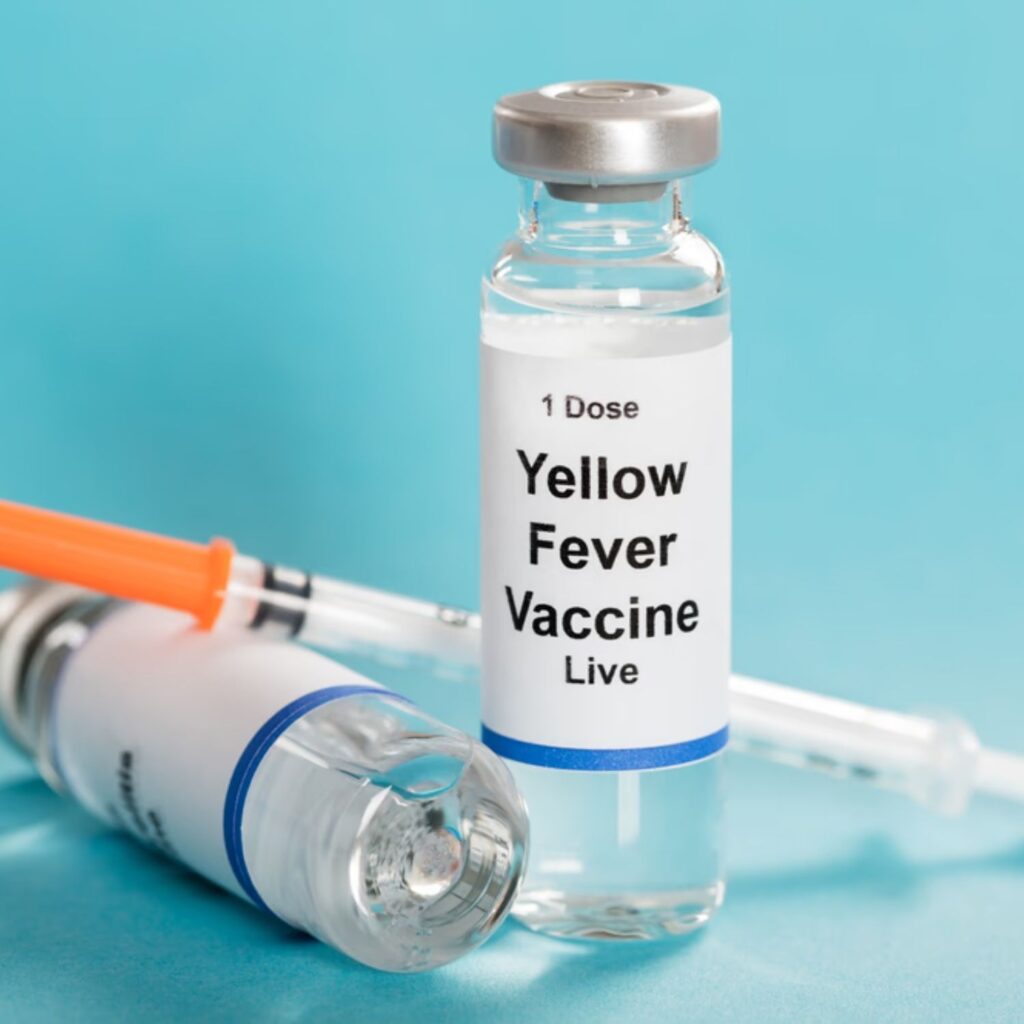
Yellow fever is the one vaccine with a mandatory entry requirement for Kenya, and whether you personally need it is what trips everyone up.
- For entry to Kenya, you need a yellow fever certificate if you’re aged one or over and you’re arriving from, or transiting for more than about 12 hours through, a country with a risk of yellow fever. That covers much of tropical Africa and parts of South and Central America.
- It is not required for entry if you fly directly from a country with no yellow fever risk, such as the United States, the UK, Canada or most of Europe.
So far, simple. Two things catch people out.
- Kenya is itself a yellow fever risk country. If your trip carries on to another country, such as Tanzania, Zanzibar or South Africa, or you transit home through somewhere that requires it, you may need the certificate anyway, even if you didn’t need it to enter Kenya. So many safaris combine countries or route through regional hubs that yellow fever ends up relevant for a lot of travellers.
- It’s also medically recommended, separately from the entry rule. Health authorities recommend the vaccine for travellers to much of Kenya. The main exceptions are trips limited to Nairobi, the coast and the far northeast. That’s a health recommendation to protect you, not an immigration rule, and it’s worth discussing with your clinic even where entry doesn’t strictly require it.
A few practical notes. The yellow fever certificate, the “Yellow Card”, becomes valid 10 days after vaccination. Under current international standards a single dose is recognised as protection for life, so an old card with a printed expiry date is still valid. If you can’t safely have the vaccine, for example during pregnancy, with a severe egg allergy, or if you’re immunocompromised, the route is an official exemption letter from a licensed practitioner. Arrange that with a clinic. Don’t try to improvise it at the airport.
The recommended vaccines

Beyond yellow fever, nothing is checked at immigration. Health authorities do widely recommend several vaccines to protect you on safari. Commonly advised ones for Kenya include Hepatitis A and Typhoid, which are both linked to food and water. You should also make sure your routine vaccinations are up to date: tetanus, usually given as Tdap, plus MMR and polio. Depending on your trip, a clinic may also suggest Hepatitis B and rabies. Rabies is sometimes recommended, and it’s worth asking about for children, who are more likely to approach animals.
Which of these apply to you depends on your health, how long you’re staying, where exactly you’re going and what you’ll be doing. That’s why a travel clinic tailors the list rather than applying a blanket rule.
Malaria: prevention, not a vaccine

This is the most common confusion. Malaria matters on a Kenyan safari, but there’s no simple malaria jab you tick off like the others. Protection comes in two parts: antimalarial tablets prescribed by your doctor, and bite prevention. Bite prevention means insect repellent, covering up at dawn and dusk, and the mosquito net over your bed. Most of Kenya below the higher altitudes is a malaria area, while Nairobi and the highlands are lower risk.
There are several antimalarial options, and the right one depends on your health and circumstances. That’s a conversation for your doctor. Please don’t self-prescribe from an article, this one included. For the bite-prevention side, our Kenya safari packing list covers repellent and what to bring.
COVID and other requirements
As of 2026, Kenya has dropped its COVID-19 vaccination and testing requirements for entry. The pandemic-era restrictions have been lifted. That’s the current position and it can change, so confirm before you travel.
When and how to sort it out
See a travel clinic or your doctor about six to eight weeks before you travel. That lead time matters. Some vaccines need more than one dose or time to take effect, and the yellow fever certificate is only valid from 10 days after the jab, so a last-minute vaccination can leave you short at the border. Bring a record of your existing vaccinations so the clinic can see what you already have. If you need yellow fever and didn’t arrange it at home, it’s available at authorised centres in Kenya, including Port Health at Nairobi’s airports, but sorting it out in advance is far less stressful. Keep your Yellow Card with your passport for the trip.
The bottom line on Kenya safari vaccination requirements
This is a general guide to help you understand the rules, not medical advice. The requirements change without notice, and what’s right for you depends on your own health and your exact route, including where you fly from and where you travel next. Always confirm with a qualified travel clinic or doctor. Check the current official guidance from your national travel-health service, the CDC and the WHO, and the Kenya Ministry of Health, before you travel. If you’re unsure what your itinerary triggers, we’re glad to help you understand it, but we’re safari specialists, not medical advisers.
Frequently asked questions
Do I need the yellow fever vaccine for a Kenya safari? For entry, only if you’re arriving from or transiting a yellow fever risk country. You don’t need it if you fly directly from somewhere like the US or UK. But you may need it for onward travel, and it’s medically recommended for much of Kenya, so check your route with a clinic.
What vaccinations are required for Kenya? Only yellow fever, and only in some cases (see above). Everything else is recommended, not required.
Is there a malaria vaccine for travellers? No. Malaria protection for travellers is antimalarial tablets from your doctor plus bite prevention, not a jab before you go.
Do I need vaccinations if I’m coming from the US or UK? None are required for entry when you fly directly from a non-risk country, but several are strongly recommended. See a travel clinic.
Is the yellow fever certificate valid for life? Under current international standards, yes. A single dose is recognised as lifelong protection, so an old card with a printed expiry is still valid.
When should I get vaccinated for a safari? About six to eight weeks before you travel, to allow for multiple doses and the 10-day yellow fever validity window.
Is COVID vaccination required to enter Kenya? Not as of 2026. The requirements have been lifted, but confirm the current position before travelling.
Getting your vaccinations sorted
The vaccination question is much less daunting once you see it clearly: one conditional requirement, a handful of sensible recommendations, and malaria handled by prevention instead of a jab. At Leopard Paw Safaris we can help you work out what your itinerary triggers, so you walk into the travel clinic knowing which questions to ask. If you’d like a hand planning, get in touch. If it’s your first safari, start with our Kenya safari tips for first-timers.
Daisy is a former safari guide and the founder of Leopard Paw Safaris. This article is general information, not medical advice. Always consult a qualified travel clinic or doctor and the official health authorities before you travel.