Affordable Kenya Safari: How to Safari on a Budget

You don’t need a luxury budget to go on a Kenya safari. Some of the country’s best wildlife experiences don’t involve an expensive lodge or flights between parks.
There’s an important difference between affordable and cheap, though. The aim isn’t the lowest possible price. It’s to cut the costs you don’t need while keeping what matters on an affordable Kenya safari: safety, good guiding, reliable transport and enough time in the wild. Here’s how to do it on a sensible budget without hurting the experience.
What an affordable Kenya safari looks like

It usually means a few practical compromises. You might join a shared safari vehicle instead of a private 4×4, and stay in a budget safari camp, a simple lodge or a campsite instead of a luxury lodge. You might travel between destinations by road instead of by domestic flight, and follow a fixed group schedule instead of a fully customised one.
For many travellers, a realistic budget is somewhere around $150 to $250 per person per day, depending on the season, destinations, accommodation, group size and what’s included. That figure is only a guide. Safari prices vary a lot, so compare what each operator’s quote covers, not just the headline price.
Where you can save money
The biggest savings come from changing how you travel, not from dropping the safari.
Travel in the green or shoulder season

Peak periods can push up accommodation and safari rates. Travelling outside the busiest times can give better value, though weather and wildlife conditions vary by place and season.
Join a group safari

A private safari gives you more control. Sharing a vehicle spreads transport and guiding costs across several travellers, which can make a big difference on a budget.
Drive instead of fly
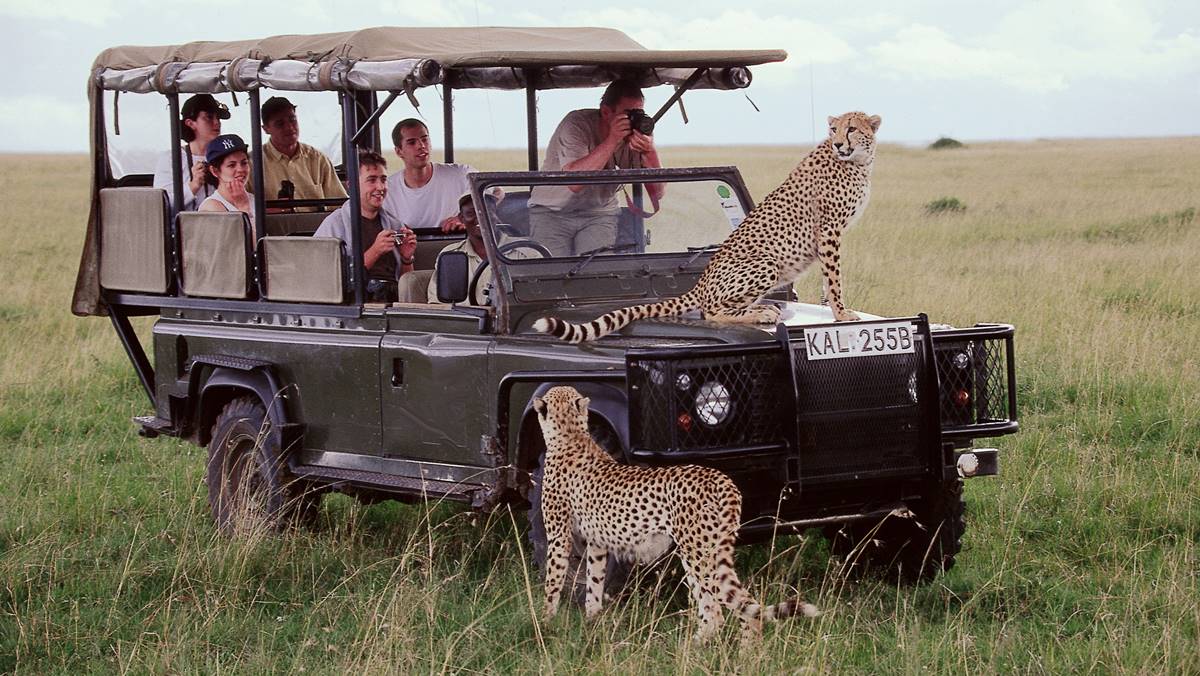
Domestic flights save time, but road transfers can cut the overall cost. The trade-off is more time spent travelling between destinations.
Choose simpler accommodation

You don’t need a luxury tented camp to enjoy Kenya’s wildlife. Budget camps, campsites and simpler lodges give you a comfortable base and leave more of your money for the safari itself.
Pick parks that fit your budget

Parks, reserves and conservancies have different pricing. Building your itinerary around places that fit your budget can make the whole trip cheaper.
Use a local safari operator
Local operators may offer group departures and itineraries built around different budgets. Compare several options and look closely at what each one includes before you decide.
What to cut and what never to cut

Budgeting for a safari is about deciding what matters most to you. You can usually cut costs by giving up some luxury and convenience:
- Private vehicles
- Luxury accommodation
- Domestic flights
- Peak-season travel
- Long, complicated itineraries
- Premium extras
Some things aren’t worth saving a few dollars on, because the problems get much bigger. Don’t compromise on safety, reliable transport, competent guiding or the operator’s reputation. A cheap safari is no bargain if the vehicle is poorly maintained, costs were hidden from you, or the operator can’t deliver what it advertised. The simplest rule is to cut comfort before you cut safety and quality.
The trade-offs

Every budget choice has a consequence, and knowing what you give up makes it easier to pick the right safari.
| Budget choice | What you save | What you give up |
|---|---|---|
| Shared vehicle | Lower cost per person | Less privacy and flexibility |
| Camping | Lower accommodation costs | Less comfort and convenience |
| Road travel | Transport costs | More time on the road |
| Fixed itinerary | Easier pricing | Less flexibility |
| Travelling outside peak periods | Potentially lower rates | Different weather and seasonal conditions |
| Simpler accommodation | Accommodation costs | Fewer luxury facilities |
None of these makes a safari worse. They make it a different kind of safari. For some travellers, several hours on the road is an acceptable price for saving money. Others would rather pay for a flight and have more time for game drives.
A realistic affordable Kenya safari itinerary
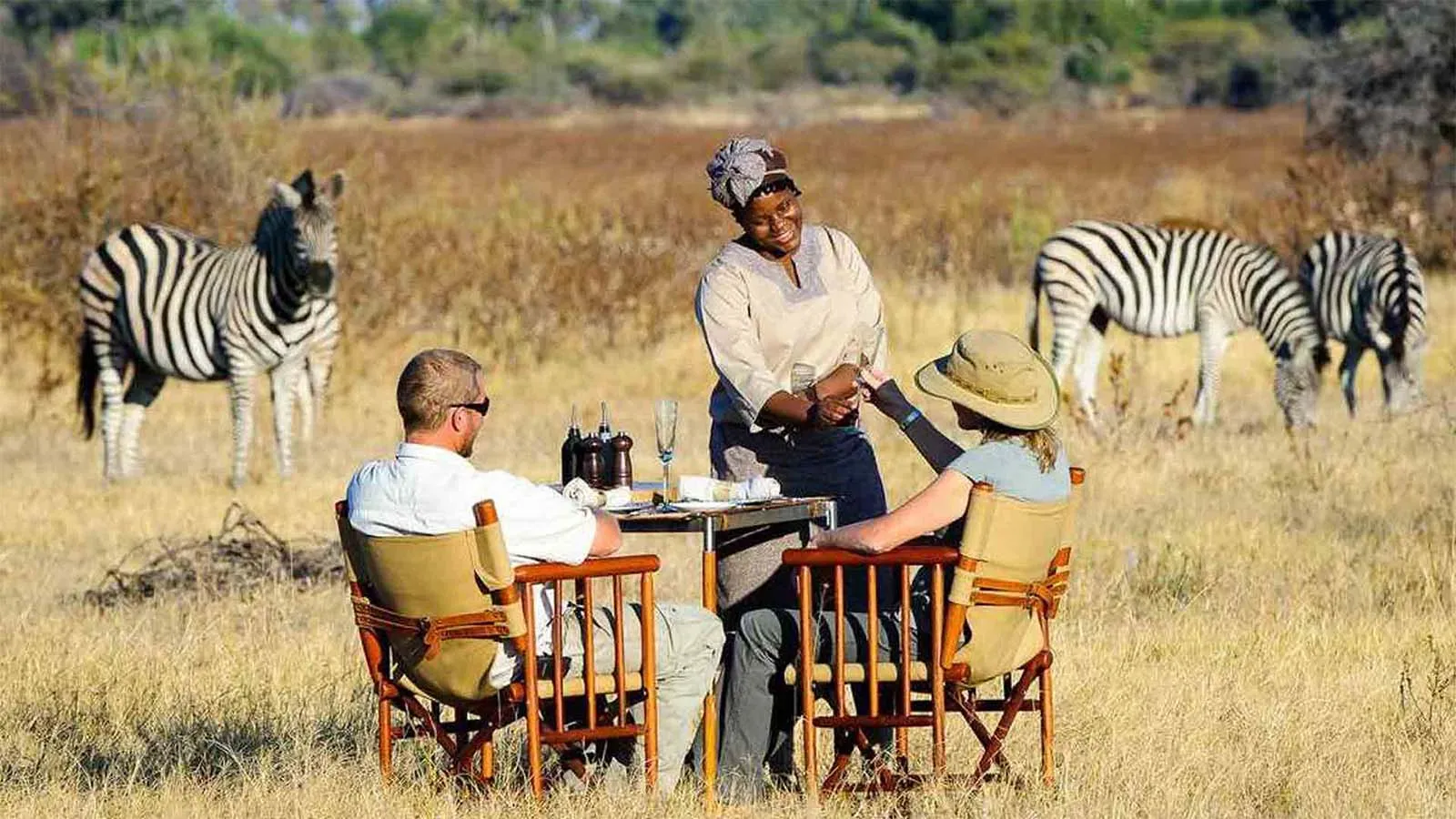
Keep the itinerary fairly simple instead of trying to see every major destination. A classic budget route is Nairobi to Lake Nakuru or Naivasha, then the Maasai Mara, then back to Nairobi. Five to seven days gives you time to see more than one destination without spending most of the trip in transit.
Joining a group safari can cut transport and accommodation costs, and travelling by road avoids the cost of several domestic flights. The exact price depends on the season, accommodation category, group size, park fees and operator, so ask for a complete quotation and know exactly what you’re paying for.
If you want a more independent trip, a self-drive safari can cut some costs, but it also puts navigation, vehicle choice, driving and logistics on you.
How to book an affordable safari without getting burned

Finding a low price is easy. Finding a low price for the safari you actually want takes more work. Start by comparing what each operator includes. Check whether the quote covers:
- Accommodation
- Meals
- Park or reserve fees
- Game drives
- Driver-guide
- Transport
- Airport transfers
- Taxes and other charges

Two safaris can look very different in price just because one quote includes costs the other leaves out. Check the operator’s reputation, business details, reviews and itinerary before you pay a deposit. Be careful with an unusually low quote. It doesn’t mean the operator is unreliable, but you should ask questions. The low price could come from cheaper accommodation, shared transport, excluded park fees, extra charges or a different level of service. Ask what you’re getting for the price, not just what the price is.
Frequently asked questions
How much does an affordable Kenya safari cost?
A broad starting point is around $150 to $250 per person per day. Actual prices vary a lot with accommodation, season, destinations, group size, transport and inclusions.
What is the cheapest way to go on safari in Kenya?
Join a group safari, travel outside peak periods, use road transport and choose budget accommodation. Those are the main ways to cut costs.
Can you see the Big Five on a budget safari?
Yes. A budget safari doesn’t stop you visiting areas where the Big Five live. Sightings are never guaranteed, though, however much you spend.
Is a budget safari in Kenya safe?
It can be perfectly safe when you book with a reputable operator that uses suitable vehicles, experienced guides and responsible safari practices. Saving money shouldn’t mean accepting unsafe transport or a questionable operator.
Is camping cheaper than staying in a safari lodge?
Generally, camping can reduce accommodation costs. The final price depends on the campsite, equipment, meals, transport and whether the camping is organised or independent.
Is a group safari cheaper than a private safari?
Usually, yes, because transport and guiding costs are shared. The trade-off is less privacy and less say over the itinerary.
Getting an affordable Kenya safari right
An affordable Kenya safari isn’t about finding the cheapest package. It’s about spending your money where it makes the biggest difference. Share the vehicle, choose simpler accommodation, travel by road and look at less expensive travel periods. Keep safety, reliable transport, good guiding and a reputable operator at the top of your list. With the right compromises, Kenya’s wildlife isn’t reserved for luxury travellers, and you can have a memorable safari without paying for things you don’t need.
Comment